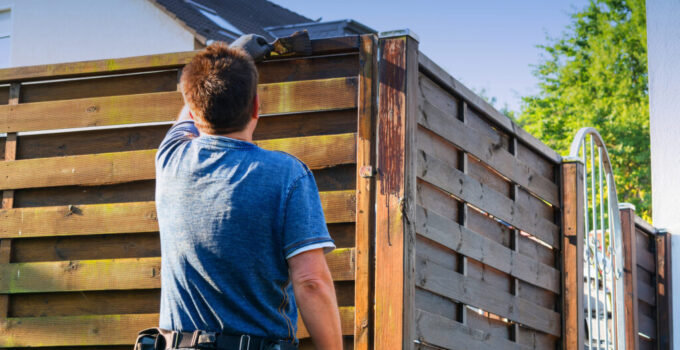
A fence can improve privacy, help secure pets and children, reduce street noise, and add structure to a home’s curb appeal. Because fence panels and posts look simple, many California homeowners consider turning the project into a weekend DIY job.
The challenge is that a fence only performs well when planning, materials, layout, post setting, drainage, and code considerations are handled correctly. Small mistakes can lead to leaning posts, sagging gates, neighbor disputes, early rot, or a fence that does not meet local requirements.
For many California homes, professional installation is about building a fence that fits the property, the climate, and the rules that apply where the home is located.
DIY Fence Projects Often Cost More Than Expected
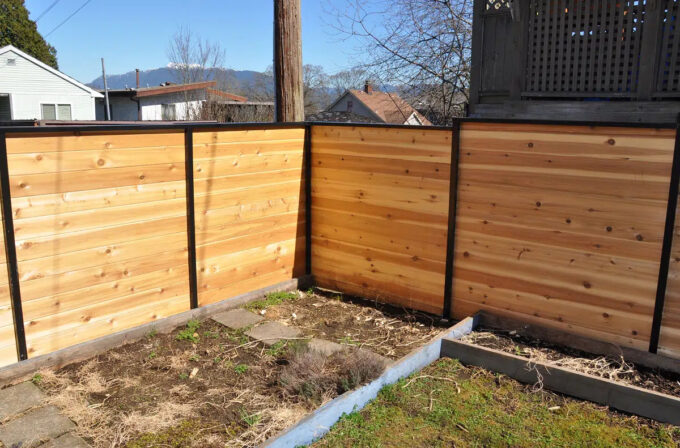
Source: dekrail.ca
A DIY fence may look cheaper when comparing material prices alone, but the full cost is rarely just boards, panels, posts, and concrete. Homeowners may also need to account for:
- Auger or post-hole digger rental
- Concrete, gravel, posts, and gate hardware
- Removal and disposal of an old fence
- Utility marking before digging
- Repairs if posts are not aligned or set deep enough
The highest hidden cost is correction work. A fence that is slightly out of level can affect panel spacing, gate swing, and stability. If posts shift after the first rainy season or a gate begins to drag, the repair may require removing sections and resetting posts.
California Conditions Make Fencing More Complicated
California has a wide range of climates, and a fence that performs well in one region may not be the right choice in another. Coastal homes may need materials and hardware that stand up to salt air.
Inland properties may face high heat, strong sun exposure, and dry soil movement. Mountain and foothill areas can involve slopes, drainage issues, snow load, or wildfire-conscious material choices.
Common California site conditions include:
- Sandy or loose soil near coastal areas
- Expansive clay soil in some inland neighborhoods
- Sloped yards that require stepped or racked layouts
- High UV exposure that can fade some materials
- Termite and moisture concerns with wood fences
- Wind exposure in open lots and hillside areas
Professional installers are more likely to evaluate these conditions before recommending a material or layout. For example, wood fencing may need sealing and ground clearance, vinyl may require room for expansion, and metal fencing may need corrosion-resistant components, depending on location.
Local Rules, Permits, and Boundaries Matter
Fence rules are not the same across every California city or county. Height limits, front-yard restrictions, pool barrier requirements, setback rules, and permit requirements can vary by jurisdiction. Homeowners may also need to review HOA guidelines before starting work.
Property boundaries are another important issue. Building even slightly over a property line can create tension with neighbors or require costly changes later. A professional installer cannot replace a licensed surveyor when exact boundary confirmation is needed, but an experienced crew will usually know when a survey, permit check, or HOA approval should happen first.
Pool areas require extra care. Fences and gates around pools may need to meet safety requirements, including barrier design, gate operation, and access control. This is one area where guessing is not worth the risk.
Better Installation Means Better Long-Term Performance
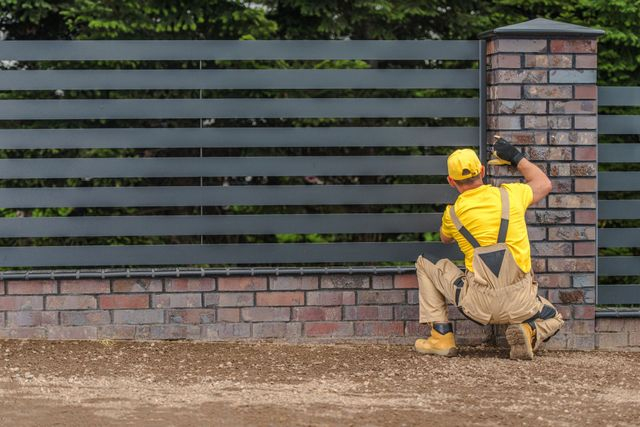
Source: illinoisfencing.com
The strength of a fence depends heavily on what happens below ground. Posts must be properly spaced, aligned, and set at the right depth for the soil and fence type. Concrete should support the post while allowing water to drain away instead of collecting around the base.
Professional installation also improves the details homeowners notice every day:
- Gates that open smoothly and latch correctly
- Even spacing between boards or panels
- Cleaner transitions on slopes and corners
- Stronger bracing for long runs and heavy gates
These details affect both appearance and lifespan. A fence can be made from quality materials and still fail early if the installation is rushed or poorly planned.
When Professional Fence Installation Makes the Most Sense
Some small fence repairs may be manageable for a careful DIY homeowner. Replacing a few pickets, tightening hardware, or staining a wood fence can often be handled with basic tools.
Full fence replacement or new construction is different, especially when the project involves structural posts, gates, grade changes, or compliance questions. Professional fence installation is usually the smarter choice when:
- The property is sloped, uneven, or difficult to access.
- The fence line is long or includes multiple gates.
- The project is near a pool, retaining wall, driveway, or sidewalk.
- The homeowner is unsure about permits, HOA rules, or boundary lines.
- The fence needs to contain pets or improve security.
- The materials are costly, and mistakes would be expensive.
A professional crew can also complete the work faster when an old fence has already been removed, and the yard is temporarily exposed.
How to Compare Fence Professionals Without Feeling Sold To
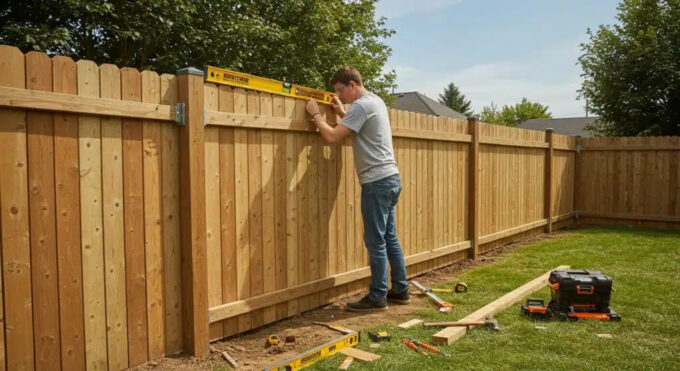
Source: bravofencecompany.com
Choosing an installer should not be based on pressure or vague promises. Homeowners should look for clear communication, practical recommendations, and a written scope of work. A qualified fence company should be able to explain material options, expected timeline, site preparation, and how the installation will handle drainage, gates, slopes, and local requirements.
Before hiring, ask questions such as:
- What fence materials make the most sense for this part of California?
- Will the old fence be removed and hauled away?
- How will posts be set for this soil type?
- Are permits, HOA approvals, or pool safety rules likely to apply?
The answers should be specific to the property, not generic. A good installer will explain trade-offs clearly instead of pushing the most expensive option.
Final Thoughts
DIY fence installation can work for minor repairs or very small, simple projects. But for most California homeowners, a full fence installation involves more than digging holes and attaching panels. Climate, soil, slope, local rules, property lines, pool safety, and long-term durability all play a role.