
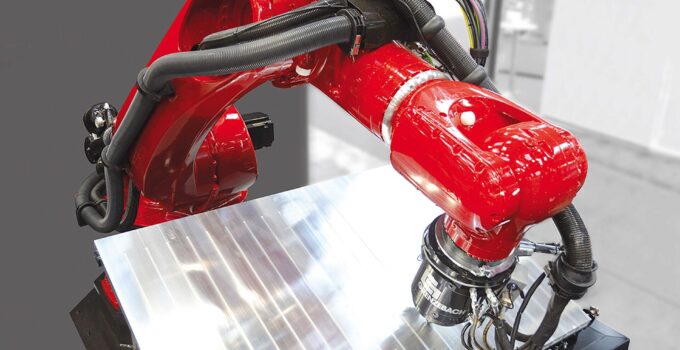
Friction stir welding (FSW) stands out as a solid-state joining process that generates heat through friction, cleverly avoiding the melting of base materials. This unique attribute leads to stronger joints, particularly in challenging materials like aluminum and magnesium alloys.
The technique not only cuts down on cycle times, but it also minimizes the need for post-weld treatments compared to traditional welding. This efficiency translates into considerable cost savings and, ultimately, greater profitability for manufacturers.
Material properties receive a boost as well, thanks to FSW creating microstructures that enhance strength and ductility. This quality makes FSW particularly well-suited for bonding dissimilar materials, such as aluminum and copper.
In the automotive sector, FSW encourages lighter vehicle designs, which improves fuel efficiency while also adhering to stricter emissions regulations. The connection between design and regulatory compliance is clear.
As FSW minimizes waste and uses energy more efficiently, it aligns perfectly with contemporary sustainability initiatives. This aspect makes it an environmentally friendly alternative to conventional welding practices.
Also noteworthy, the potential for automating FSW processes allows seamless integration into modern manufacturing, offering tailored designs that cater to specific client needs.
Revolutionizing Manufacturing: Why Friction Stir Welding Is the Future
Source: par.com
The Science Behind Friction Stir Welding Explained
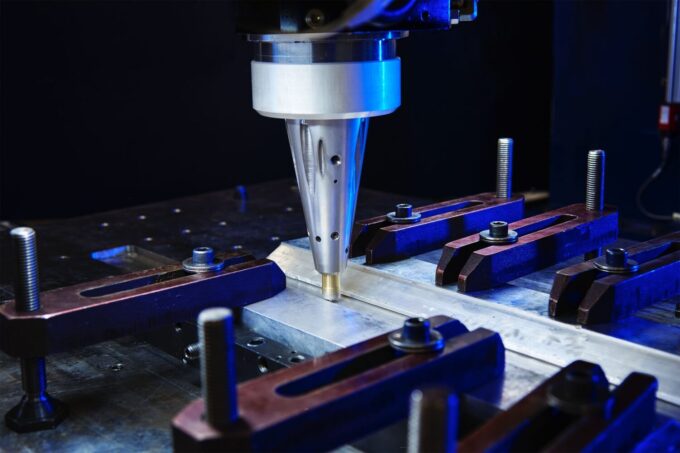
At its essence, friction stir welding (FSW) embodies an extraordinary blend of mechanical engineering and materials science. Introduced in 1991, this technique utilizes a rotating tool to generate heat via friction.
Unlike traditional methods, it doesn’t melt base materials; instead, it stirs them together to form a solid-state bond. This quality is precisely why many manufacturers prefer FSW.
The resulting joints are not only strong but also continuous, making it an ideal option for challenging materials like aluminum and magnesium alloys. Importantly, FSW operates at lower temperatures, which reduces distortion and ensures cleaner results.
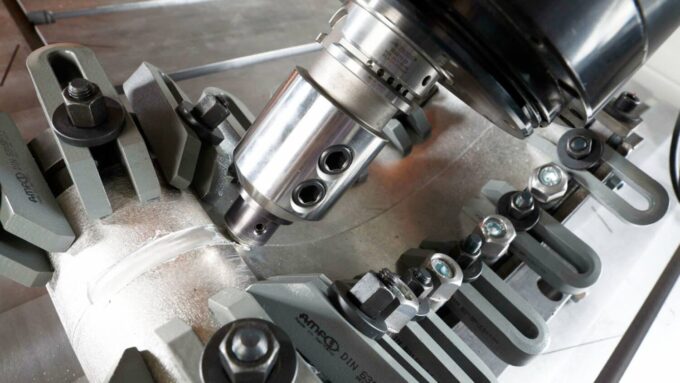
The nuances of FSW stem from its various parameters. Factors like tool rotation speed, feed rate, and axial force need careful calibration to achieve optimal results.
Why does this matter? These balances directly influence weld quality. By grasping these elements, professionals can enhance both efficiency and integrity in the final product.
Efficiency Gains: Cutting Costs with Innovative Techniques
In manufacturing, efficiency is key to profitability. FSW not only cuts cycle times compared to traditional welding but also reduces post-weld treatment needs.
With a smaller heat-affected zone, there’s less risk of distortion, leading to reduced rework and ultimately lower production costs.
Companies that have implemented FSW report significant savings, but the benefits don’t stop there.
- Lower Energy Consumption: By requiring less energy than traditional methods, manufacturers enjoy reduced energy bills.
- Material Savings: This technique results in less scrap and waste, enabling businesses to utilize materials more efficiently.
- Accelerated Production Cycles: Quick setup times and faster welding processes boost throughput.
Taking all these factors into consideration, clients adopting FSW find a competitive advantage. Forward-thinking companies aren’t just chasing immediate savings; they’re committing to sustainable long-term growth. Can any other welding methods provide such promise?
Material Mastery: How FSW Enhances Performance
Source: kuka.com
Opening up Potential: Superior Bonding for Tough Materials
When it comes to material properties, FSW truly shines. The process fosters a microstructure that notably enhances mechanical properties, such as strength and ductility. This is crucial for materials that pose challenges with traditional welding methods.
Manufacturers looking for innovative ways to join dissimilar materials turn to FSW. Consider aluminum and copper—two distinct, high-performing materials that come together effectively and affordably. This opens new avenues for engineers and manufacturers alike.
Thanks to the efficient bonding offered by FSW, manufacturers can achieve tailored properties to meet specific application demands.
By adeptly controlling parameters, they can optimize various mechanical characteristics, making it an incredibly versatile addition to their toolkit. Moreover, stronger welded joints contribute to the overall durability of finished products.
Weight Reduction: A Game Changer in Automotive Applications
The automotive sector is continually striving for lighter materials without sacrificing safety or performance, and FSW addresses this need head-on.
It enables engineers to leverage aluminum’s lightweight and high-strength properties. Reducing vehicle weight directly enhances fuel efficiency.
In fact, data suggests that even a 10% reduction in weight can lead to a fuel efficiency increase of 6-8%. This means manufacturers employing FSW not only meet compliance standards but also respond to market needs.
- Increased Fuel Efficiency: Lighter vehicles require less fuel, thereby positively impacting emissions.
- Enhanced Safety: Strong, high-quality welds maintain the structural integrity of vehicle designs, which is essential during impacts.
- Broader Design Flexibility: Engineers can push the boundaries of traditional designs, thanks to FSW’s robust bonding capabilities.
As automotive manufacturers ramp up production, the necessity for techniques that foster innovation without compromising quality becomes paramount. Clearly, FSW positions them well in this evolving market landscape.
Sustainability in Action: Eco-Friendly Aspects of FSW
Reducing Waste: How FSW Minimizes Scrap and Energy Use
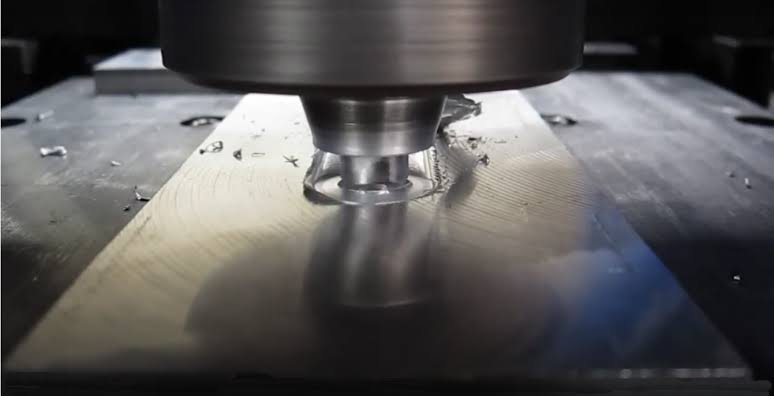
As sustainability continues to gain traction, environmental consciousness is reshaping manufacturing innovations. FSW inherently produces less waste than traditional welding methods.
By eschewing the molten phase, it avoids generating scrap material—a crucial factor in reducing costs and aligning with contemporary eco-friendly practices.
Energy consumption is noticeably lowered as well. By harnessing efficient processes, manufacturers significantly lower their carbon footprint.
As production lines move toward more sustainable methods, this has become an increasingly appealing trait for consumers and regulators. A pivotal shift is occurring. What once was optional is now rapidly becoming essential.
“With FSW, manufacturers are not only investing in quality but also in future-proofing their practices.” – Industry Expert
The Carbon Footprint Advantage: A Greener Manufacturing Process
In the context of green initiatives, FSW seamlessly integrates into this transformation. By reducing emissions typically associated with traditional welding processes, FSW presents itself as an attractive option.
This eco-conscious approach doesn’t just pertain to production; it extends to lifecycle management as well. Are manufacturers considering the environmental implications throughout a product’s lifecycle?
- Reduced Heat Emissions: The lower energy input during welding translates to less energy released into the atmosphere.
- Coating Compatibility: FSW pairs well with vacuum coating techniques, merging two eco-friendly innovations.
- Occupation of Less Space: FSW setups are often less resource-intensive compared to traditional methods, reducing their operational footprint.
Integrating FSW into manufacturing processes signals a commitment to innovation while addressing crucial sustainability goals head-on.
Real-World Applications of Friction Stir Welding and Their Impact
From Aerospace to Automotive: FSW Success Stories
The versatility of FSW is well illustrated through tangible applications across numerous industries, particularly where strength and lightweight properties are vital.
The aerospace sector has adopted FSW for fuselage structures and critical components.
With this technique, manufacturers can produce aircraft parts that endure high-stress scenarios without incurring significant weight penalties.
Prominent aircraft manufacturers have noted lower fuel expenses driven by reductions in part weight, directly linked to structures welded using FSW.
On the automotive side, numerous manufacturers have incorporated FSW to produce lighter, more efficient vehicles.
This technique is more than just improving existing production lines; it’s reshaping how designs for vehicles are conceived. This evolution represents a maturation of capabilities and thought processes.
Bridging Industries: FSW’s Role in Advancing Technology
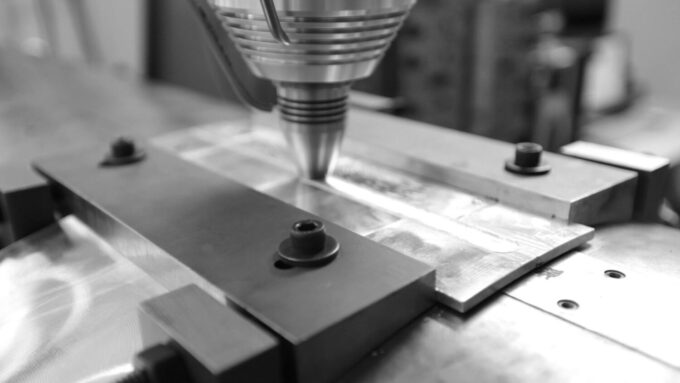
Source: frictionstirwelding.it
The advantages of friction stir welding extend well beyond individual industries. Its applications span fields like renewable energy, especially in the fabrication of wind turbine components.
Each use case underscores this technique’s ability to bond materials that challenge conventional manufacturing limits.
As various industry players continue to explore FSW’s potential, the technique is positioned to be a pivotal force in cross-industry innovation.
- Advancements in Robotics: FSW lends itself beautifully to automation, simplifying its integration into contemporary factories.
- Broadened Material Scope: The ability to weld dissimilar alloys underscores its broad applicability across different technological arenas.
- Customization for Specific Needs: Through FSW, businesses can tailor designs to meet unique client requirements and product specifications.
The future of numerous industries looks bright, with FSW leading the charge in fostering ongoing innovation that can significantly impact diverse and dynamic sectors.
By recognizing and capitalizing on its capabilities, stakeholders can pave the way to new frontiers.