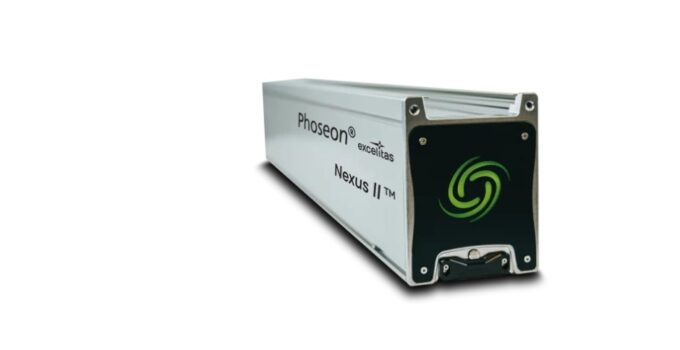
Water-cooled UV curing systems offer superior performance when compared to traditional air-cooled systems, thanks to their optimized cooling capabilities that help maintain consistent operating temperatures during extended usage.
These systems excel in high-temperature environments, minimizing downtime and boosting reliability, an absolute must for industries facing demanding operational conditions.
The automotive sector benefits significantly from improved adhesive bonding efficiency and durability after incorporating water-cooled UV curing systems into their workflows.
Printing companies have noted a remarkable 30% decrease in print defects since transitioning to water-cooled systems, which enhances both efficiency and reliability in their production processes.
With fewer moving parts and real-time monitoring technologies, water-cooled UV curing systems lead to notably lower maintenance requirements, enabling businesses to prioritize production.
Through enhanced energy efficiency, these systems not only cut operational costs but also align with sustainability goals, making the total financial benefits far exceed initial investment costs.
When businesses invest in water-cooled UV curing technology, they often witness considerable returns in terms of productivity, equipment durability, and overall operational efficiency, providing a strategic edge in competitive industries.
How Water-Cooled UV Curing Systems Shake up Industrial Applications
Understanding the Unique Advantages of Water-Cooling
In sectors where reliability is essential, water-cooled UV curing systems are becoming increasingly vital. These systems ensure a consistent performance level, a quality hard to achieve with traditional air-cooled variants. By using water for cooling, they allow for rapid heat dissipation, which means optimal operating temperatures can be maintained even during long use. This direct approach leads to a cooler, more efficient curing process.
One standout advantage is their ability to handle high-temperature environments. Traditional air-cooled systems may falter when temperatures rise, risking overheating and malfunctions. In contrast, water-cooled systems flourish in these scenarios. This capacity enables uninterrupted operations, thereby reducing the risk of expensive downtime. Often undervalued, water cooling greatly contributes to increased reliability, which is crucial for heavy-duty applications.
Across various industries, from automotive to electronics, many find themselves leveraging this cutting-edge technology to enhance their manufacturing potential. But what does this mean in practical terms?
Real-World Success Stories in Challenging Environments
Consider the automotive sector. A manufacturing facility in Michigan recently adopted a water cooled UV curing system into its assembly line. The results were noteworthy: enhanced adhesive bonding efficiency and exceptional durability even under the toughest operational conditions. In a setting where high-speed production is vital, having dependable equipment is paramount. Transitioning to water-cooled systems effectively alleviated these challenges, enabling operators to adhere to strict production schedules while ensuring product quality.
Printing firms are witnessing similar enhancements thanks to water-cooled systems. An East Coast print shop reported seeing a 30% cut in print defects following their adoption of these systems. Visualize producing materials robust enough to withstand packaging demands without sacrificing quality. This evolution has ushered the print industry into a new phase of efficiency and trustworthiness. It’s not just an upgrade; it’s a game-changer.
The effectiveness of water-cooled systems often leads to new levels of production.
Boosting Production Efficiency with Advanced UV Technology
Streamlining Curing Processes – Why Speed Matters
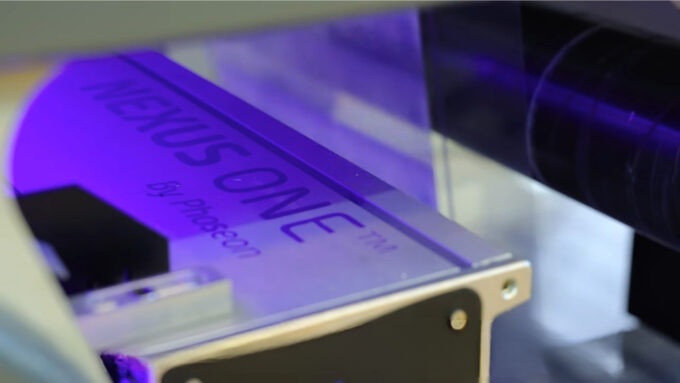
Speed defines modern manufacturing. Clients typically enjoy remarkable throughput with water-cooled UV curing systems. These systems facilitate fast curing cycles while sidestepping the usual heat buildup challenges. Any delays can directly impact profitability, making systems that enhance speed indispensable.
Quick curing cycles lead to faster product turnovers. Just think about reducing the time from minutes to mere seconds. Companies that embrace these technologies position themselves strategically, gaining an edge over competitors who still rely on older models. When products hit the shelves quicker, it drives up cash flow.
- Enhanced product quality
- Lower energy costs
- Faster delivery times
Industry leaders often advocate for this transition. The advantages stretch beyond boosting productivity; they significantly impact the overall quality of the finished products. With the adoption of water-cooled systems, businesses can sustain peak performance while also fostering a responsible approach to curing.
Reducing Downtime for Increased Productivity
Maintenance is an area where many systems stumble. Here’s the interesting part: water-cooled UV curing systems usually endure less wear and tear compared to air-cooled ones. This is primarily because their temperatures remain more stable, greatly reducing the risk of thermal-induced strain on the components. Such reliability is crucial in a landscape of continuous operation.
Less downtime translates to heightened productivity. Companies can plan routine maintenance without the anxiety of disrupting production runs. As equipment issues diminish, profitability climbs alongside operational consistency. Skilled technicians can carry out maintenance in a fraction of the time that was traditionally needed.
Imagine a scenario where maintenance hiccups don’t delay production schedules.
Durability Meets Performance – The Longevity of Water-Cooled Systems
Engineering for Extremes – Thriving in Harsh Conditions
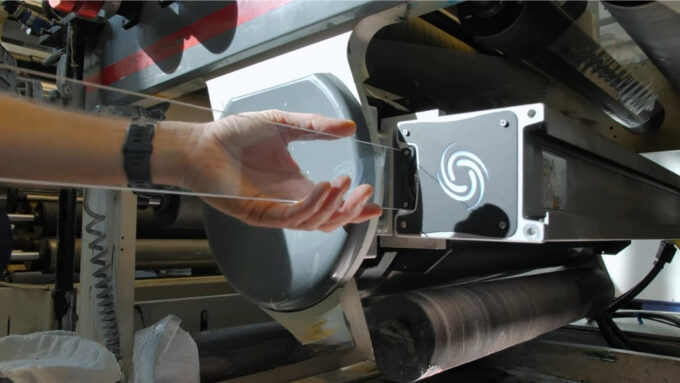
Resilience plays a crucial role in industrial applications. Water-cooled UV curing systems are designed to endure harsh working environments. Whether facing high temperatures or operational debris, their advanced cooling systems hold strong. This feature grants them a competitive edge in industries where durability is essential.
Think about facilities operating under extreme heat, be it in the summer heat or during high-temperature processes. These systems’ capacity to maintain cooling efficiency directly correlates to their lifespan. They operate smoothly and maintain higher productivity over longer durations. Superior materials and thoughtful engineering result in systems capable of outperforming traditional setups under challenging conditions.
- Serve effectively in extreme temperatures
- Minimize the potential for failure
- Ensure sustained operational excellence
Many companies cite the longevity of their equipment as a compelling reason for integration. In an industry where machinery expenses can escalate quickly, investing in water-cooled UV technology proves beneficial over time. Machinery represents more than a cost; it is an integral asset.
How Maintenance Needs Are Minimized
Dealing with regular maintenance can often be burdensome, particularly with systems that require frequent attention. Water-cooled UV curing systems notably lessen these maintenance demands. Designed with fewer moving parts, typically requiring constant servicing—these systems benefit from innovation and smart design enhancing their overall performance.
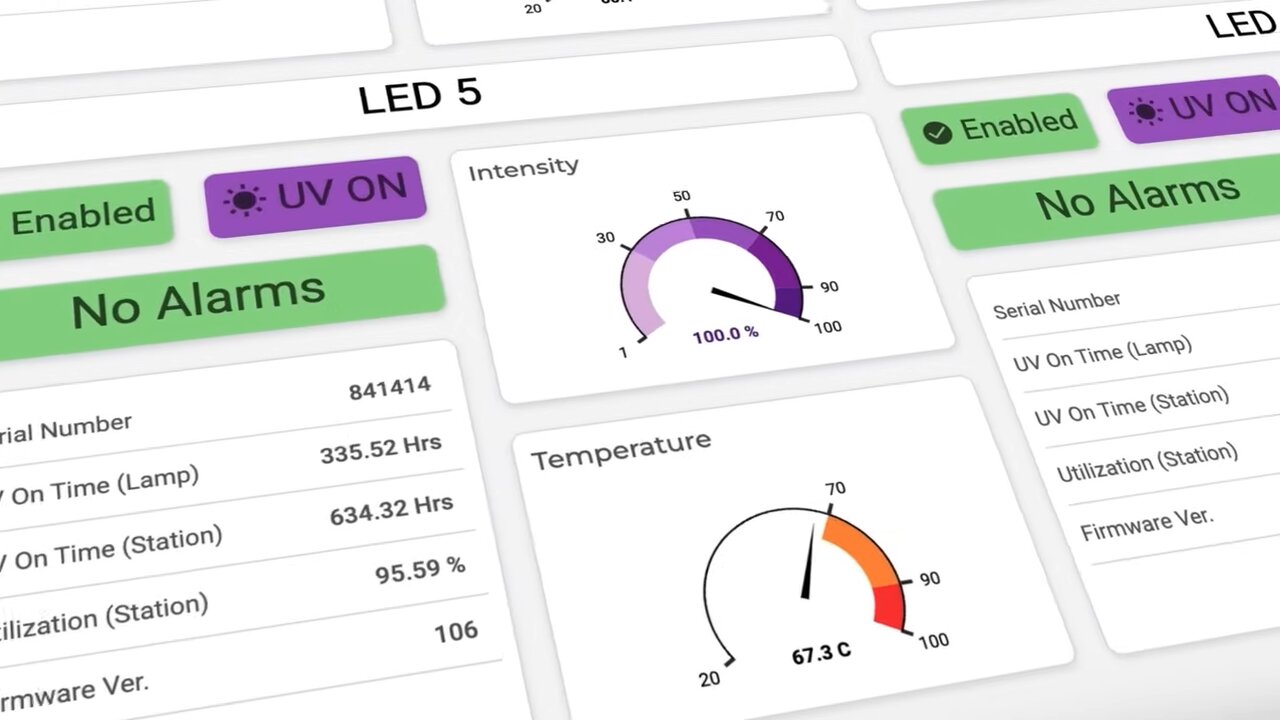
With advanced monitoring capabilities, they provide real-time feedback, alerting operators to potential issues before they escalate. This feature affords companies insights that lead to improved system longevity while minimizing disruptions. Operators can redirect their focus to boosting production rather than fretting over unexpected failures.
Systems that communicate their maintenance needs represent the future of reliability.
Cost-Effectiveness Through Enhanced Energy Efficiency
Making the Case for Long-Term Savings
When selecting equipment, cost-effectiveness often takes center stage. Water-cooled UV curing systems excel in this aspect, providing energy efficiency that cuts down overhead costs while aligning with sustainability initiatives. Utilizing water as a primary coolant translates to lower energy consumption, leading to substantial savings year after year.
Consider the long-term ramifications of transitioning to this technology. Businesses stand to secure a pronounced advantage over competitors with larger energy expenses. The financial benefits accumulate quickly, making the initial investment worthwhile. Beyond financial metrics, companies also find themselves advocating for environmental stewardship.
- Reduced utility bills
- Less waste management
- Thorough ROI in 3-5 years
Over time, the returns can be significant. Transitioning to water-cooled systems presents an undeniable value proposition. The initial costs are often offset by lower overall operational expenses.
Balancing Initial Investment with Future Benefits
Initial expenses tied to advanced machinery can deter many businesses. However, balancing those upfront costs with the benefits they bring can mean the difference between thriving or merely surviving in a competitive market. Water-cooled UV curing systems signify a shift in mindset. Clients frequently discover that investing in high-quality equipment yields returns far surpassing initial projections.
The costs related to dwindling margins due to equipment failures can be staggering. To mitigate these losses, investing in high-performance systems becomes not just a financial decision, but a strategic long-term win.
- Calculate projected efficiency gains
- Analyze the total cost of ownership over time
- Understand the potential for expanded operational capabilities
Companies are advised to reevaluate how they approach these investments, recognizing that initial costs often pale in comparison to ongoing savings and heightened profitability. Future thinking is key.