Opening a swimming pool the right way sets the tone for the entire season.
A proper startup protects swimmers, keeps the water clear, and helps the equipment last longer.
Skipping steps or rushing the process often leads to algae growth, cloudy water, stained surfaces, and costly mechanical issues.
Industry data shows that a large majority of early-season pool service calls trace back to preventable errors made during opening.
Careful preparation at the start avoids weeks of frustration later.
Top 10 Pool Opening Steps – Checklist
A structured opening process prevents missed steps and protects equipment. Completing tasks in order improves efficiency and reduces the chance of setbacks.
1. Clear and Clean the Pool Cover
Cover surfaces often collect water, leaves, and organic debris during winter. Standing water should be pumped off before any movement.
Loose debris needs removal to avoid dumping contaminants into the pool.
Rinsing the cover and allowing full drying prevents future problems, including:
- Mold and mildew growth
- Material breakdown
- Contaminant transfer next season
Dry, clean storage extends cover lifespan and simplifies the following year’s opening.
2. Clean the Pool Deck and Surrounding Area
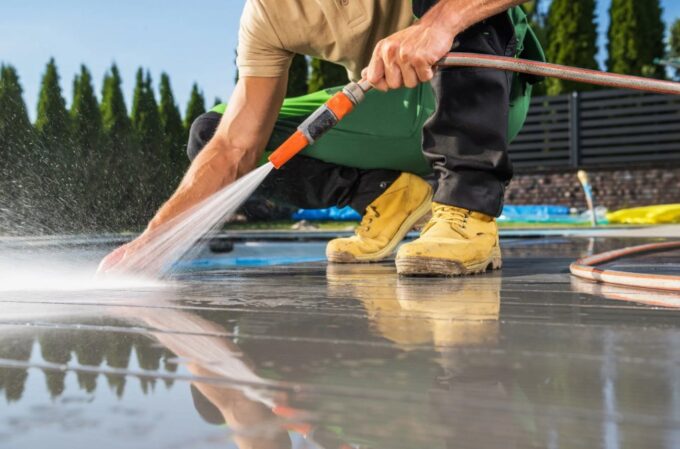
Debris around the pool quickly ends up in the water once circulation begins. Sweeping or rinsing decks, coping, and nearby surfaces limits early contamination and keeps filters cleaner during startup.
Source: layorcare.com
3. Remove Winter Plugs and Accessories
Cold-weather protection devices must come out before system startup. Skimmer guards, expansion plugs, and return plugs should be removed carefully. Drain plugs and fittings need secure reinstallation to prevent leaks once pressure builds.
4. Restore Proper Water Level
Water should reach the midpoint of the skimmer opening. Proper height supports pump priming and stable circulation. Low levels introduce air into the system, while excessive filling reduces skimmer efficiency.
5. Reconnect Pool Equipment
Seasonal removal protects equipment, but reinstallation requires inspection.
Pumps, filters, heaters, chlorinators, ladders, and rails should return to position with attention to seals and connections.
Areas requiring close inspection include:
- O-rings and gaskets
- Valve housings
- Threaded connections
Replacing worn components before startup avoids leaks and mechanical failure.
For professional assistance, consider scheduling a Dolphin Pool service to ensure everything is reconnected and inspected correctly.
6. Prime and Start the Filtration System
Pump baskets must be filled with water to eliminate trapped air. Valves should remain open during startup.
Dry operation damages pumps rapidly and often leads to replacement.
Initial startup should include careful observation:
- Unusual noises signal air or obstruction issues
- Visible leaks indicate seal or fitting problems
- Immediate correction prevents larger failures.
7. Skim, Brush, and Vacuum the Pool
Manual cleaning removes debris that would otherwise overload filters.
Surface skimming comes first, followed by brushing walls, steps, and tile lines.
Vacuuming removes settled debris that circulation alone cannot manage.
Biofilm removal carries measurable benefits, including up to a 40 percent improvement in chlorine efficiency once surfaces are clean.
8. Test Water Chemistry
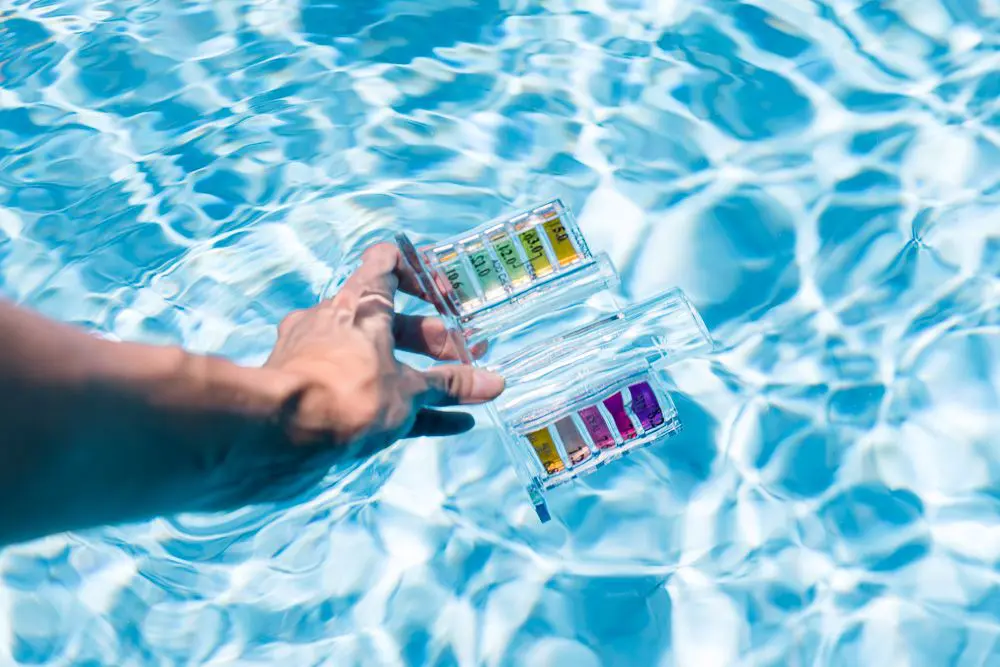
Accurate testing sets the foundation for chemical balance. Fresh reagents and reliable kits provide dependable readings before any products enter the water.
Key target ranges guide adjustments:
- pH at 7.4 to 7.6
- Total Alkalinity at 80 to 120 ppm
- Calcium Hardness at 200 to 400 ppm
- Appropriate sanitizer levels
Testing first prevents wasted chemicals and surface damage.
Source: remco.com.au
9. Balance Chemicals in the Correct Order
Adjustment sequence matters. Total Alkalinity should be corrected first, followed by pH, then Calcium Hardness, and finally chlorine or sanitizer.
Running the pump during adjustments ensures even distribution.
Waiting four to six hours between additions allows proper circulation and prevents chemical interference.
10. Shock the Pool Properly
Shock treatment works best during evening hours, when sunlight no longer degrades chlorine rapidly. Product should be dispersed directly into the pool water, not the skimmer.
Swimming should wait until testing confirms safe sanitizer levels, usually after 24 to 48 hours within a range of 1 to 3 ppm.
Top 5 Pool Opening Mistakes to Avoid
Early-season pool issues rarely appear without warning. Most problems develop due to skipped steps, poor timing, or impatience during opening.
Avoiding common mistakes saves money, protects equipment, and shortens recovery time.
1. Opening Too Late
Warm temperatures under a closed cover create perfect conditions for algae and bacteria to multiply. Once growth takes hold, cleanup becomes more aggressive and costly.
Heavier brushing, repeated shocking, and extended filtration cycles often follow delayed openings.
Problems commonly linked to late opening include:
- Thick algae buildup on walls and floors
- Persistent cloudy or green water
- Increased chemical consumption
Early action limits contamination before it becomes overwhelming.
2. Rushing the Process
Attempting to complete every step in a single day often leads to missed details. Circulation, chemical adjustments, and filtration need time to work effectively.
Allowing two or three days for opening provides better control and clearer results.
Rushed openings often result in:
- Incomplete chemical balance
- Poor circulation distribution
- Repeat cleanups that could have been avoided
Patience early reduces workload later.
3. Skipping Equipment Inspection
Winter storage can hide damage that only appears once systems restart.
Motors, heaters, filters, pressure gauges, and seals should all be checked before operation. Small cracks or worn parts often fail under pressure.
Unchecked issues frequently lead to:
- Leaks after startup
- Reduced efficiency
- Sudden equipment shutdowns
Preventive inspection avoids emergency repairs.
4. Running Equipment Without Water
Dry operation ranks among the fastest ways to destroy a pump. Pumps rely on water for cooling and lubrication.
Starting equipment without proper priming can cause immediate overheating and permanent damage.
Preventive steps include filling pump housings fully and opening valves before activation.
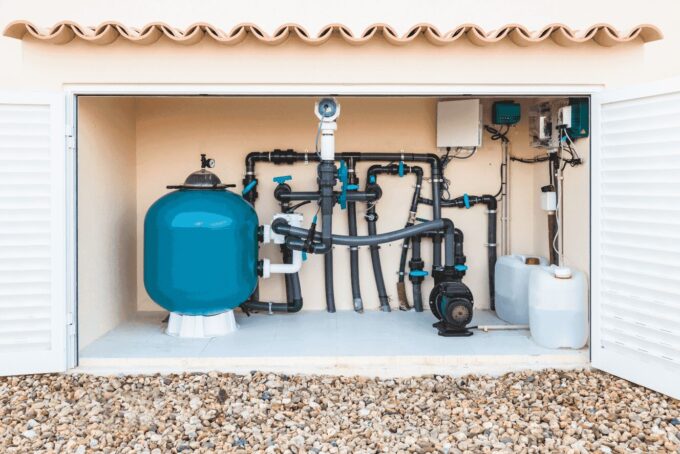
Source: astralpool.com.au
5. Incorrect Chemical Order
Chemical balance depends on sequence. Adding sanitizer before correcting alkalinity and pH reduces effectiveness and can damage pool surfaces. Water chemistry works as a system, and adjustments must follow proper progression.
Common consequences include:
- Wasted chemicals
- Etched plaster or stained surfaces
- Ineffective sanitation
Correct order protects both water quality and finishes.
When to Open Your Pool – Timing Guide
Seasonal timing plays a major role in water quality and workload during opening.
Waiting too long allows problems to build silently under the cover, while opening at the right temperature keeps maintenance manageable and chemical use reasonable.
Best Time to Open
Ideal pool opening conditions occur once daytime temperatures consistently reach about 70°F or 21°C for a full week.
Many parts of the United States reach that range during April or early May.
Rising air temperatures warm covered water quickly, which creates an active environment for algae and bacteria when circulation and sanitation remain inactive.
Warmer conditions under the cover create several measurable effects that matter early in the season:
- Water temperature climbs faster than many owners expect
- Microorganisms multiply rapidly without filtration
- Organic debris trapped under covers begins breaking down
Opening during cooler spring weather limits these reactions and allows the filtration system to regain control before problems escalate.
Closing Thoughts
A smooth pool season starts with careful and methodical opening practices.
Following proven steps protects water quality, equipment, and swimmer health.
Avoiding common mistakes saves time, reduces expenses, and creates a safer environment for months of enjoyment.