
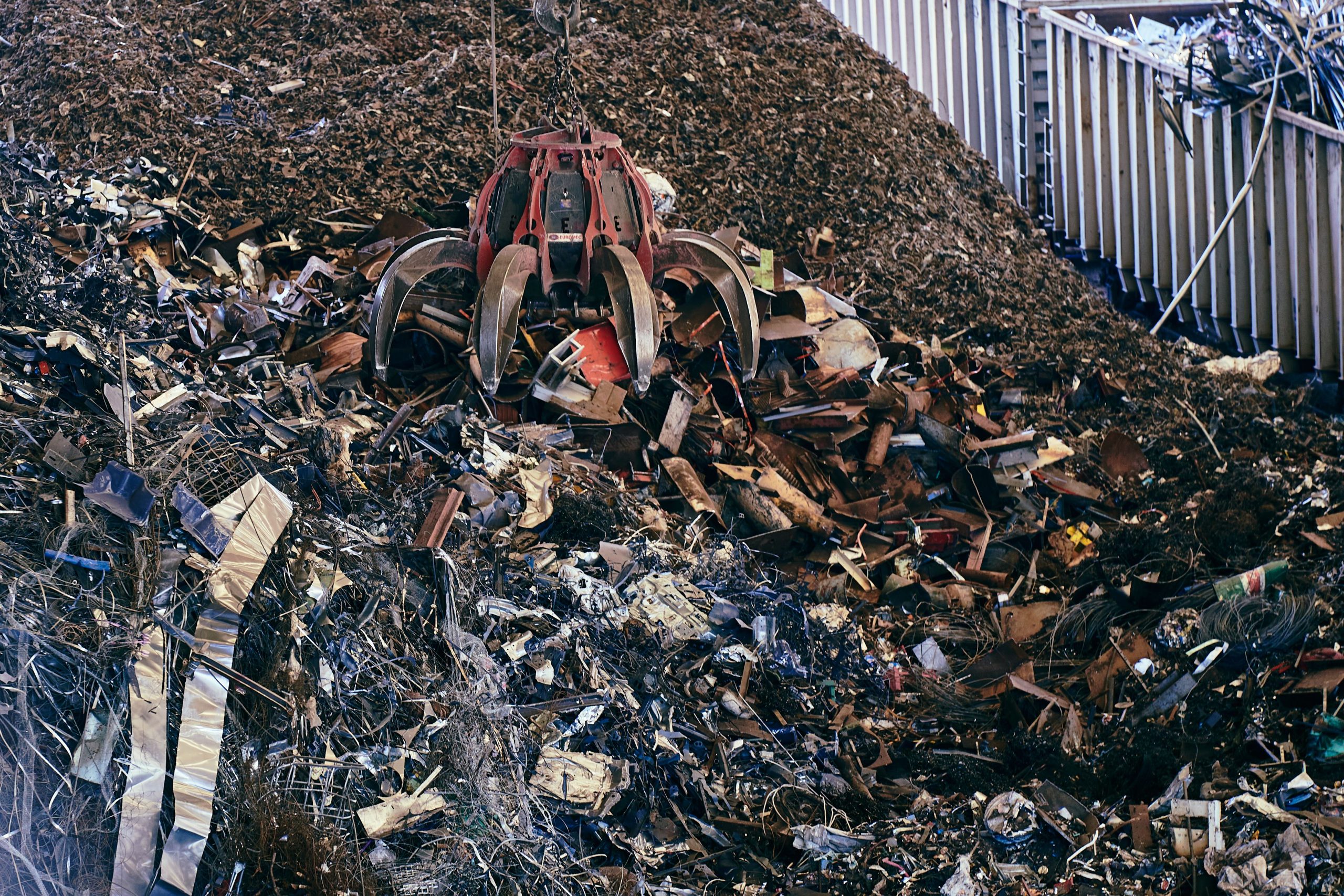
Once a scrap-metal collection vehicle leaves, the item’s journey is only beginning. A washing machine, radiator or bundle of cable is not simply tipped into a furnace: it must be inspected, graded, stripped of unwanted materials and made suitable for a buyer’s process. The practical aim is to turn bulky, mixed objects into clean, consistent batches of metal that a mill or foundry can use.
That route may involve several businesses and even cross a border. Recycling means recovering the material, not necessarily turning it into a new product in the same town, or even the same country.
First stop: weighing, inspection and grading
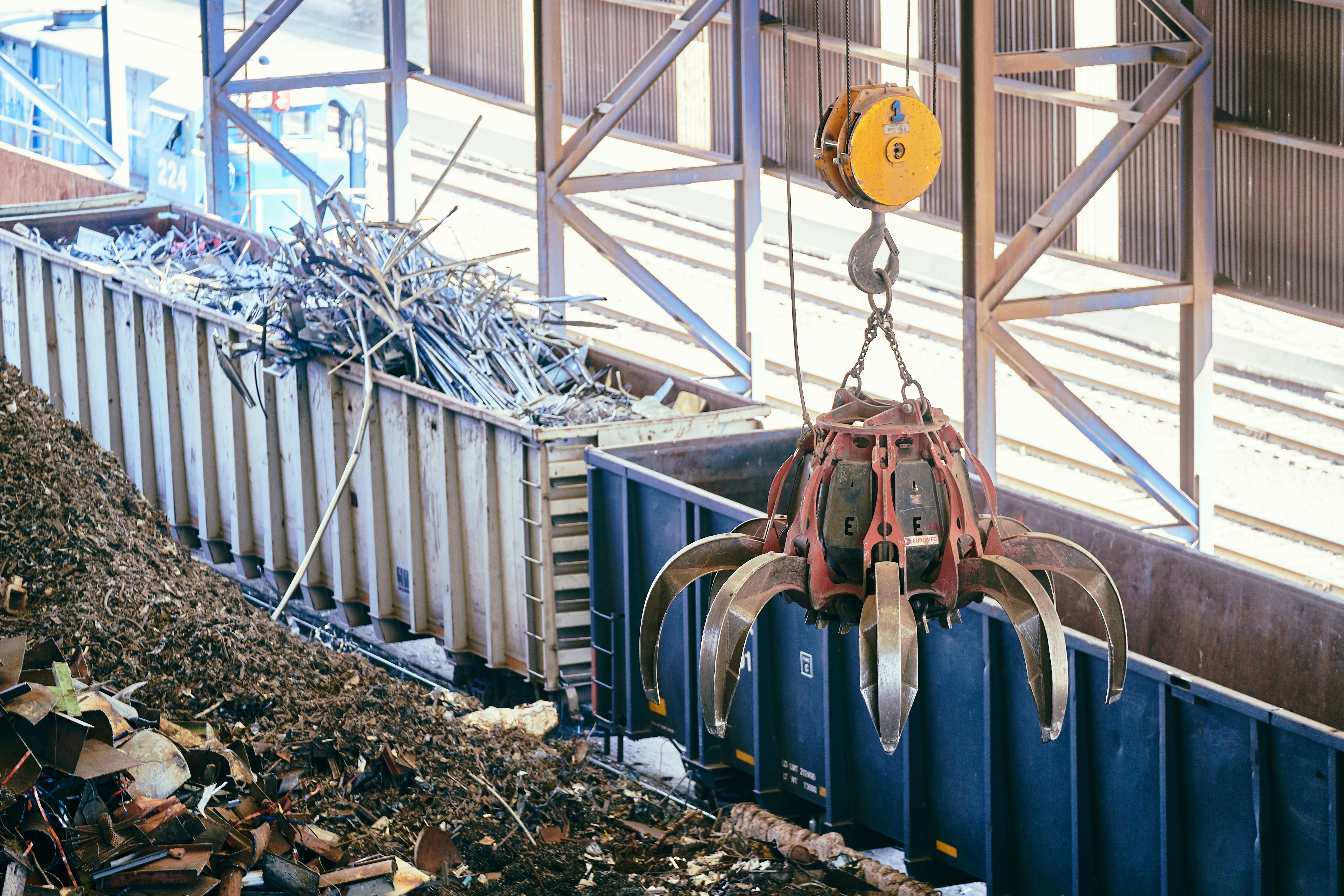
At a yard or transfer station, the load is checked and directed into storage areas according to metal type, grade and condition. Iron and steel are ferrous metals; copper, brass and aluminium are non-ferrous. The distinction matters because different metals have different values and need different processing routes.
Staff and equipment also look for things that are not metal: plastic casings, rubber, timber, insulation, dirt and attached components. Some can be removed at the yard; more complex items may need specialist treatment. A fridge, vehicle or electrical appliance can contain hazardous substances or parts that need separate handling, so a metal collection should not be confused with permission to put every component straight into a shredder.
Collection companies may do initial sorting, while larger recyclers perform more detailed grading. The British Metals Recycling Association describes a chain that can include collecting, shearing, baling, shredding, separation and trading before metal reaches a smelter. If you are arranging a free scrap metal collection Bristol, the collector’s role is to get the material into the right recovery route, not to make every item ready for the furnace at the doorstep.
Magnets do the obvious job; the rest takes more work
Where large pieces can be identified and separated by eye, they may be cut with shears or compacted into dense bales. Mixed, bulky scrap can be shredded into smaller pieces, making it easier to separate and handle. Shredding is not just about making scrap smaller: it exposes material trapped inside objects and creates a more manageable stream for the equipment that follows.
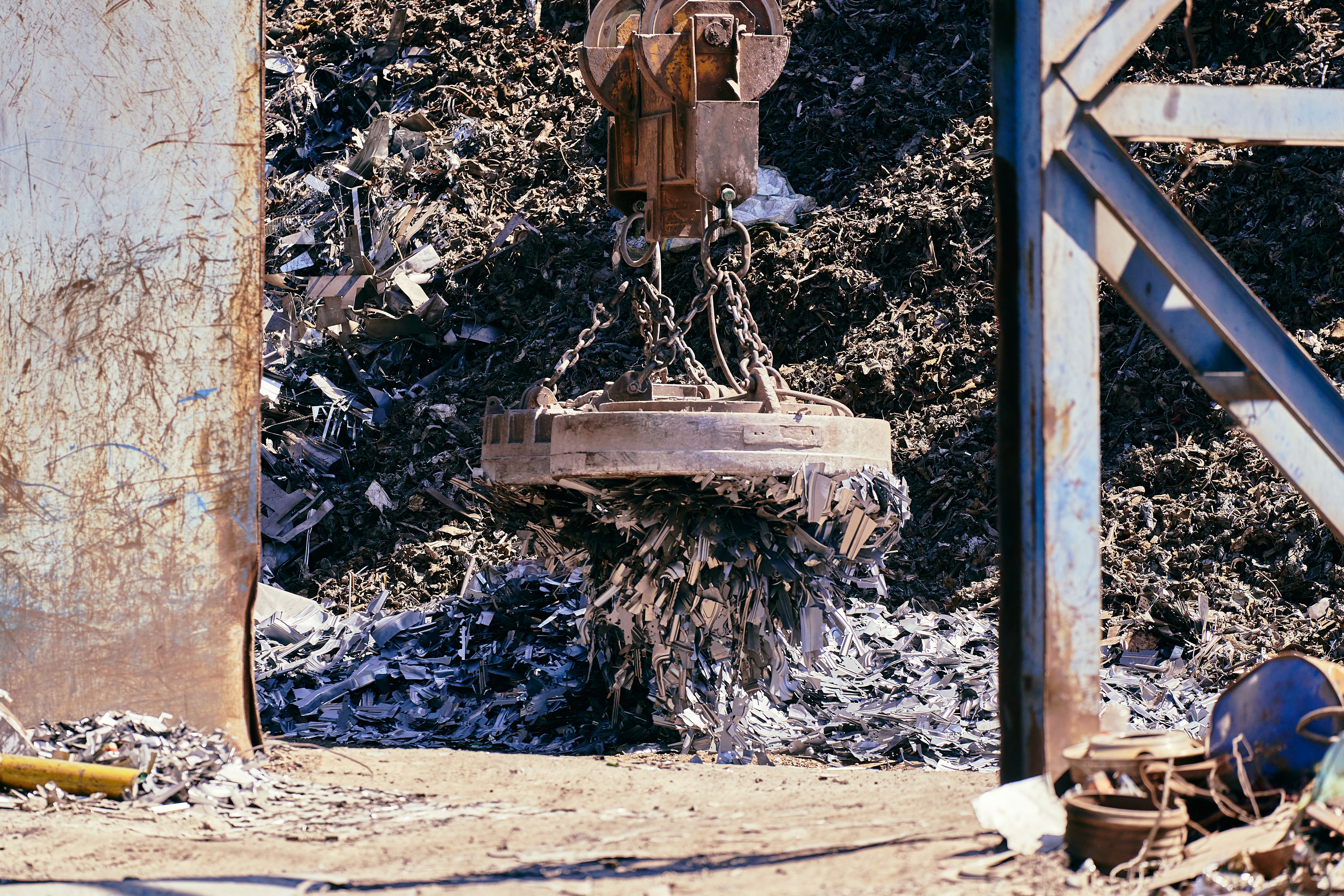
Magnets pull out iron and steel. But aluminium, copper and brass are not magnetic, so a magnet cannot sort them into clean, saleable grades. Recyclers use other methods, including eddy-current separators that repel conductive non-ferrous pieces from a mixed stream, along with screens, air separation, sensors and manual checks. Each method solves a different problem; a small copper part still attached to a steel component, for example, may need extra separation.
The BMRA’s October 2023 guide to metals recycling describes these stages as preparation for smelting, with separation technologies used to improve the purity of recovered metal. That purity is not a cosmetic detail. Unwanted materials can lower a batch’s value or make it unsuitable for a particular production process.
Cleaned and sorted scrap moves to a buyer
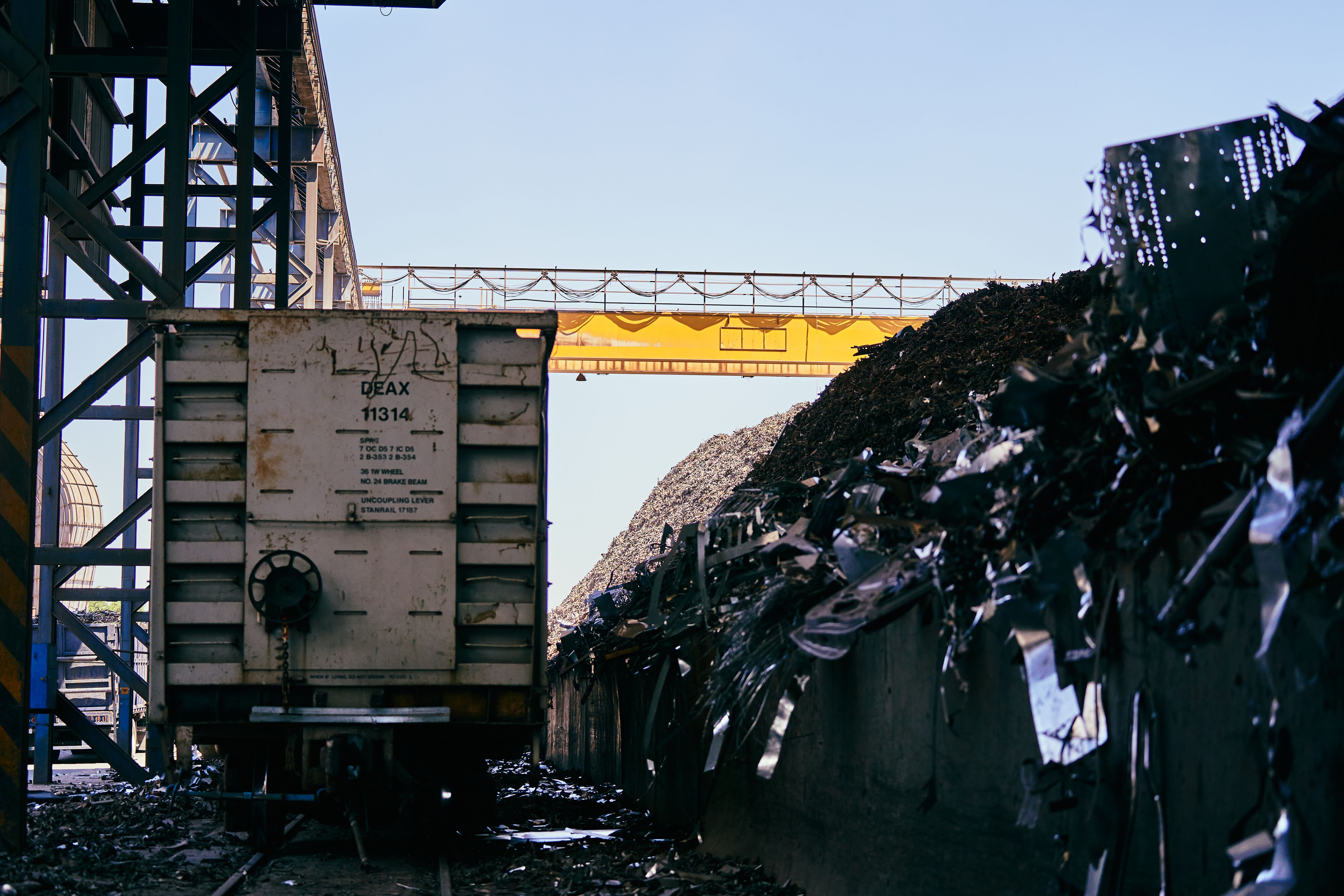
After separation, the recycler stores and sells the different grades. Some scrap goes directly to a UK foundry or steelworks; some is traded onward or exported. A collection crew cannot usually promise the eventual destination of every piece, because the route depends on the metal, its grade, demand and the capacity of available processors.
This is one of the less obvious parts of the story: a UK collection can support recycling even if the next stage happens overseas. The UK government’s steel strategy, updated in October 2026, says the UK produces around 10 to 11 million tonnes of steel scrap annually, while domestic steelmakers use about 2.2 million tonnes. The gap reflects a market and capacity challenge, not evidence that collected metal has been thrown away; it does mean that collection alone does not guarantee a local closed loop.
For people booking a pickup, the client’s scrap metal collection service in Bristol explains how household and business collections, skips and larger clearances can be arranged. Where a load contains mixed material, asking what is accepted and flagging unusual items in advance can help it reach the right facility.
At the furnace, scrap becomes feedstock again
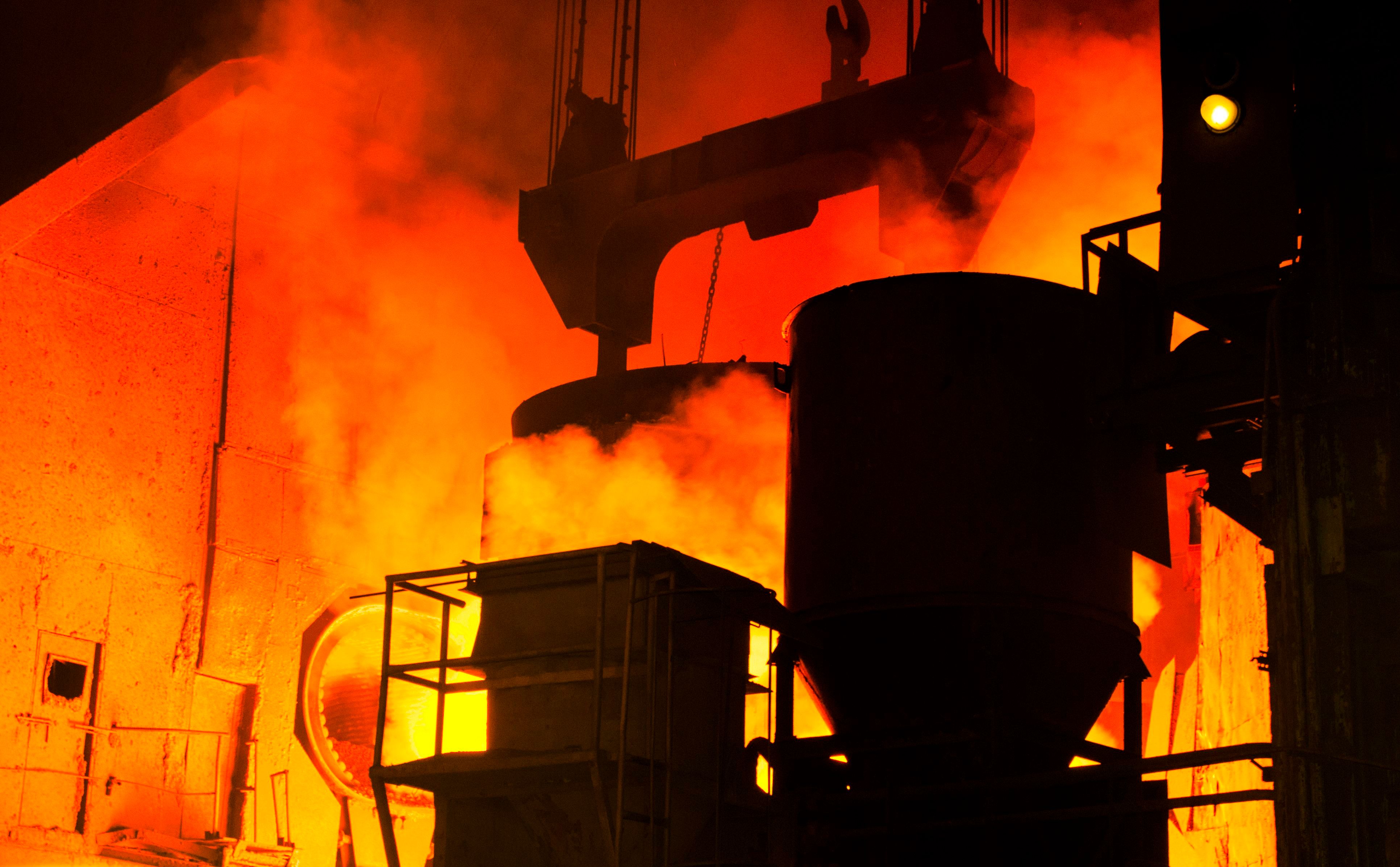
At a steelworks or foundry, the prepared grade is charged into the relevant furnace. In an electric arc furnace, electricity generates heat through electrodes to melt steel scrap; operators manage the chemistry and temperature before molten steel is transferred for casting. Other metals have their own melting and refining routes. The output may be cast into billets, slabs, ingots or other forms, then rolled or shaped into products.
That is why “metal recycling” is not one universal recipe. A steel beam and a length of copper cable do not become interchangeable material just because both contain metal. They need to be separated, refined and sent to a process suited to their composition. Contamination control also matters at the melt stage: a batch that meets a producer’s specifications is more useful than a heavier but mixed load.
What the journey means for your old item
Your scrap may become part of a new appliance, vehicle, building component or industrial product, but it is rarely possible to trace one household item into one finished object. Metals are melted and blended with other recovered or newly produced material, then manufactured at scale.
The useful question, then, is not simply “Was it collected?” but “Could it be identified, separated and sold into a real recycling route?” Keeping metal separate from general rubbish, mentioning attached plastics or unusual items when booking, and using an appropriate collector all help. The yard machinery does the dramatic work; good sorting upstream is what gives that machinery a clean material stream to work with.
Scrap collection is the first link in a chain of inspection, processing, trading and manufacturing. When those links work together, an object that has reached the end of its useful life can become industrial feedstock again, even if the new product looks nothing like the old one.


