
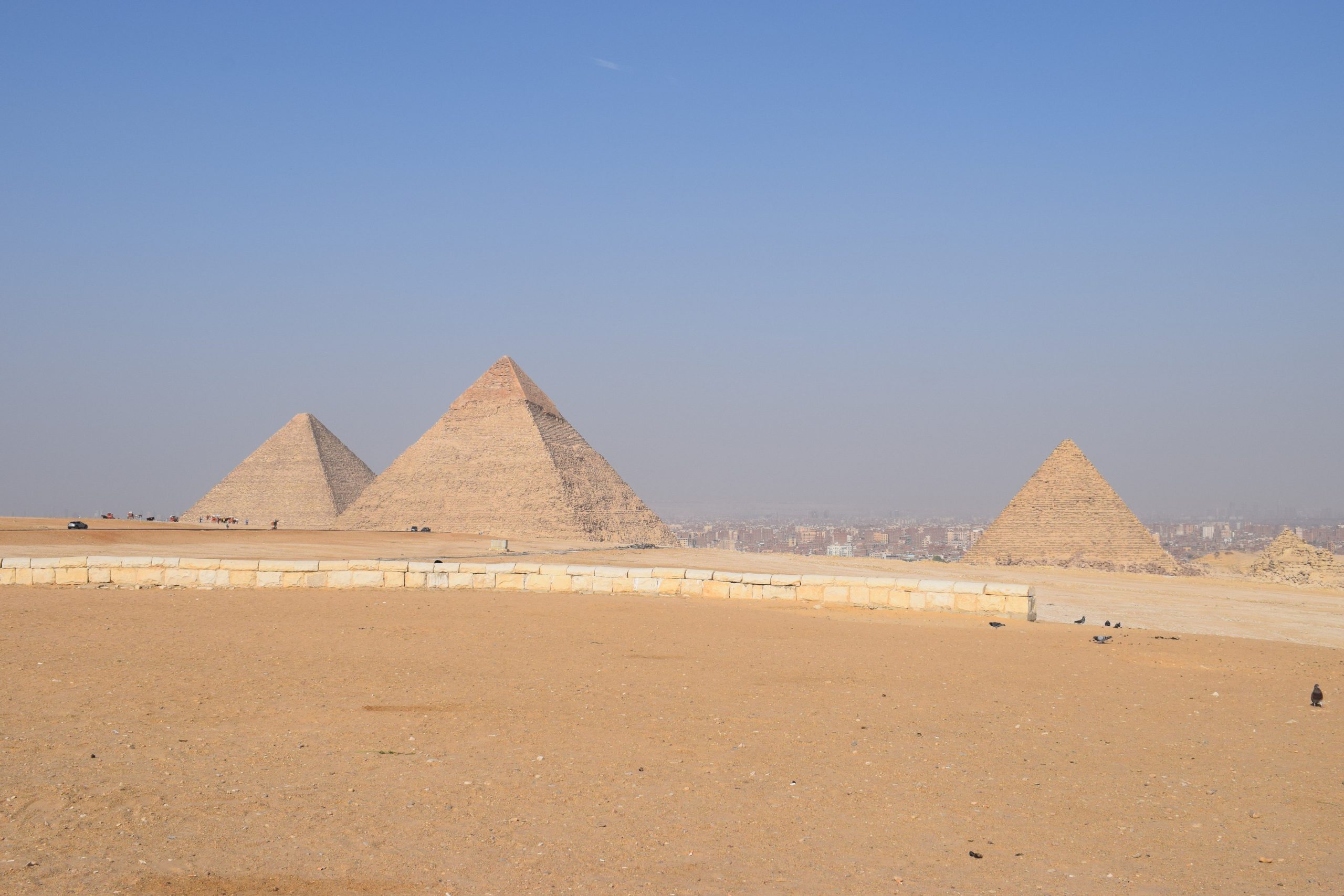
If you are deciding between a summer and a winter trip to Egypt, the honest answer is that it depends on what you want to do. Winter is the better choice for most travelers, especially anyone planning to tour the ancient sites. Summer has real advantages, though, mainly for divers and for anyone who wants the coast without the winter crowds. Here is how the two seasons compare.
The basic shape of Egypt’s climate
Egypt really has two seasons. The Egyptian State Information Service describes a mild winter from November to April and a hot summer from May to October. The main differences are daytime temperatures and prevailing winds. On the coast, averages run from about 14°C at night in winter to about 30°C by day in summer. Inland, the desert swings much harder. In summer it can go from 7°C at night to 43°C during the day, while winter desert days typically reach around 18°C, though nights can drop close to freezing.
That gap between day and night is the detail most travelers underestimate. Summer desert nights are pleasant, and winter desert nights can feel cold enough to need a jacket.
Summer: heat, quiet sites, and great diving
Summer in Egypt is hot, and there is no polite way to say it. Lonely Planet puts the average summer high around 42°C (108°F) in some places, and Aswan in particular can feel like an oven. The CDC notes that the desert can exceed 38°C (100°F) in summer, and it recommends drinking fluids regularly, wearing a hat and loose clothing, and using sunscreen. Thirst is a late sign of dehydration, so do not wait until you feel parched.
There are still good reasons to go in summer:
- Fewer tourists. The big sites are quieter, and it is easier to get a room at a good price outside the winter peak.
- Early starts work. Luxor’s temples and tombs open early, and a 6am visit is cooler and more pleasant than a midday one.
- The Red Sea and Sinai. Summer is when serious divers head to Sharm el-Sheikh and the Red Sea coast, where the water is calm and warm and visibility is excellent.
- The Mediterranean coast. Alexandria is cooler than inland Cairo thanks to breezes off the sea, and it is a popular summer escape for locals.
The downside is that the Western Desert and long outdoor days around the Nile temples become a real endurance test in July and August. Plan these for the early morning, or skip them entirely.
Winter: the season most visitors choose
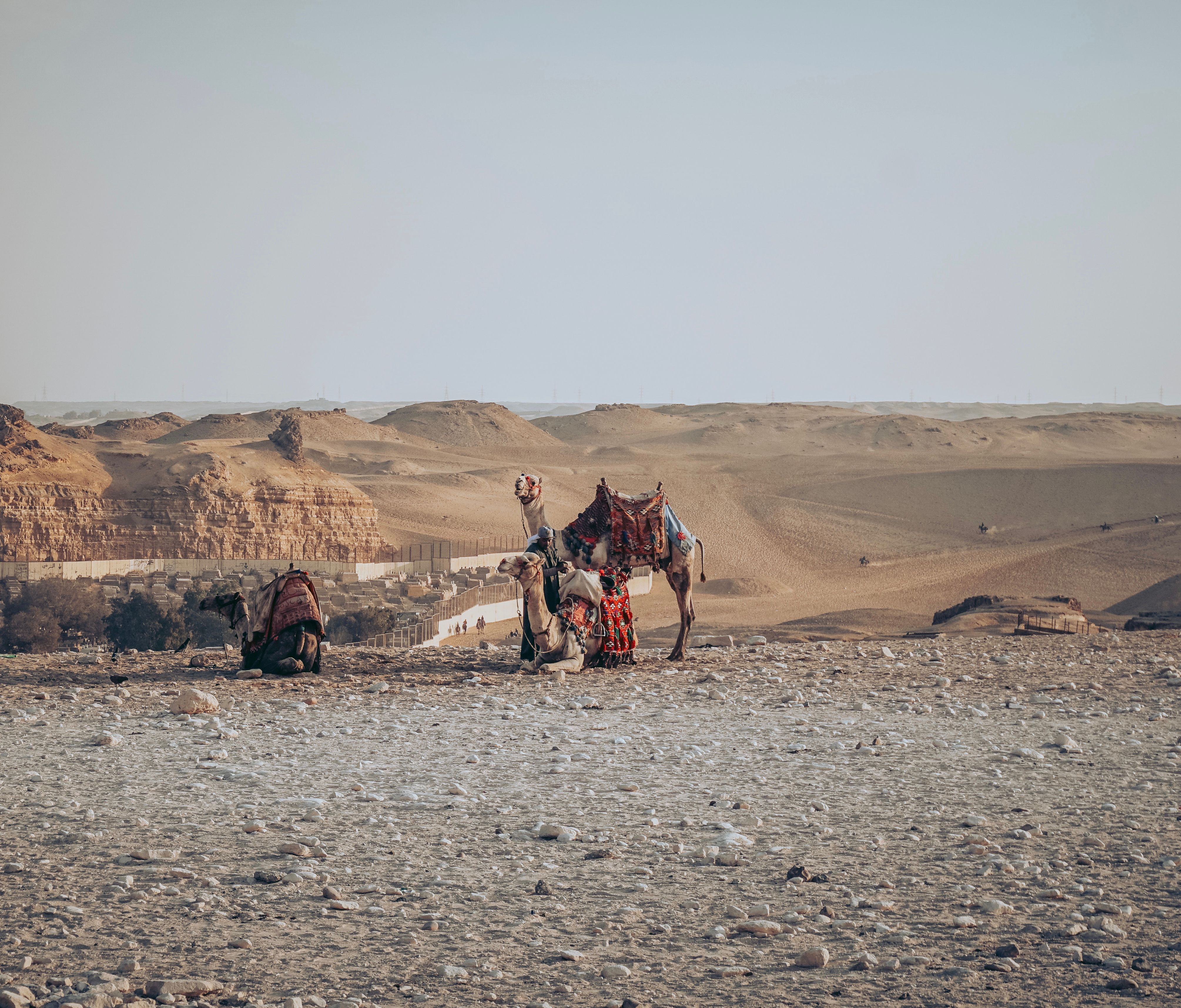
Winter is peak season for a reason. Days are sunny, the temperatures are comfortable for walking through ruins, and the skies are usually clear. Lonely Planet describes winter as the time when Luxor’s temples are a pleasure rather than an endurance test. It is also the most popular season for desert trekking and outdoor activities in the Sinai and the Western Desert, where camel rides and hikes are at their most enjoyable.
Cairo is a good example. November is a strong month for walking through the city’s mosques and madrasas, but bring a warm layer, because evenings get colder than many visitors expect. Expect rain in Cairo and Alexandria on occasion, and light frost or even snow in parts of the Delta and northern Nile Valley in some winters.
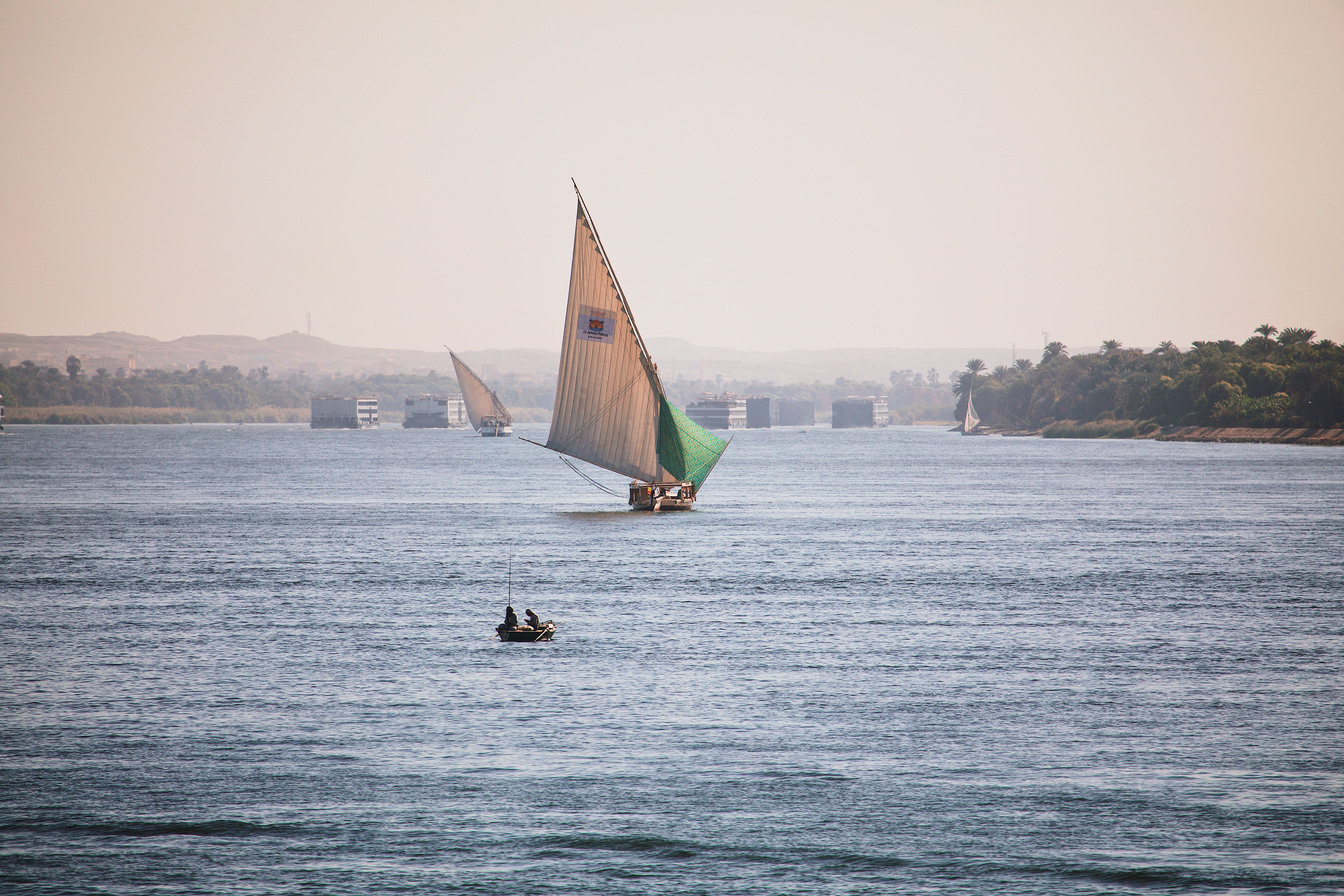
The Nile is the other big winter draw. Cruising between Luxor and Aswan is most comfortable when the weather is mild and the light is good for photography. If you want to explore the river in a traditional style, a Dahabiya Nile Cruise is one of the most relaxed ways to do it, with slow days on deck and stops at temples along the banks.
The trade-off is cost and crowds. Accommodation prices rise sharply around Christmas and New Year, and the major sites are busier. Booking early helps.
Which season fits which trip?
Here is a simple way to decide:
- Choose winter if you want to tour Cairo, Luxor, and Aswan on foot, take a Nile cruise, or go camel trekking in the desert.
- Choose summer if your main goal is diving or snorkeling, you do not mind the heat, and you want lower prices and smaller crowds.
- Choose spring or autumn if you want a middle ground. Lonely Planet recommends the shoulder seasons for pleasant daytime temperatures and fewer travelers at major sites. April is a particularly good month for soft Nile light around Luxor and Aswan.
For a first trip that covers the pyramids, the temples, and the Nile, winter remains the safer bet. For a beach and diving holiday, summer on the Red Sea can be excellent, provided you plan your days around the heat. Either way, the answer is less about which season is better in general and more about which one suits the trip you actually want to take.
Before you travel, check your government’s current travel advice and the latest guidance from your health authority, since conditions and recommendations can change.