
Few things about running a cannabis company feel as unrelated as packaging and production capacity. Packaging is the line item that shows up as a quote and gets grudgingly approved. Capacity is the license, the canopy, the extraction line you actually build a business case around. In 2026, that split is getting expensive on both ends of the spectrum.
Consider Massachusetts. The average retail ounce of flower there hit a record-low $113.68 in December 2025 – down from $401.43 in December 2020 – and the Cannabis Control Commission, citing oversupply and 31 licensees placed into receivership, voted to freeze new cultivation licenses starting in June 2026. New York is running the opposite experiment, projecting a supply shortfall of roughly 356,000 pounds and actively inviting growers to expand. Same product, same country, two industries heading in opposite directions.
Here is the connection most operators miss: that gap decides how much flower you can move, and therefore what kind of packaging you can afford to put it in. Packaging quality and production capacity are not separate concerns. They are two sides of one capital problem, and the brands that treat them that way are the ones holding margin when prices compress.
The package is the first product test a brand can’t fail
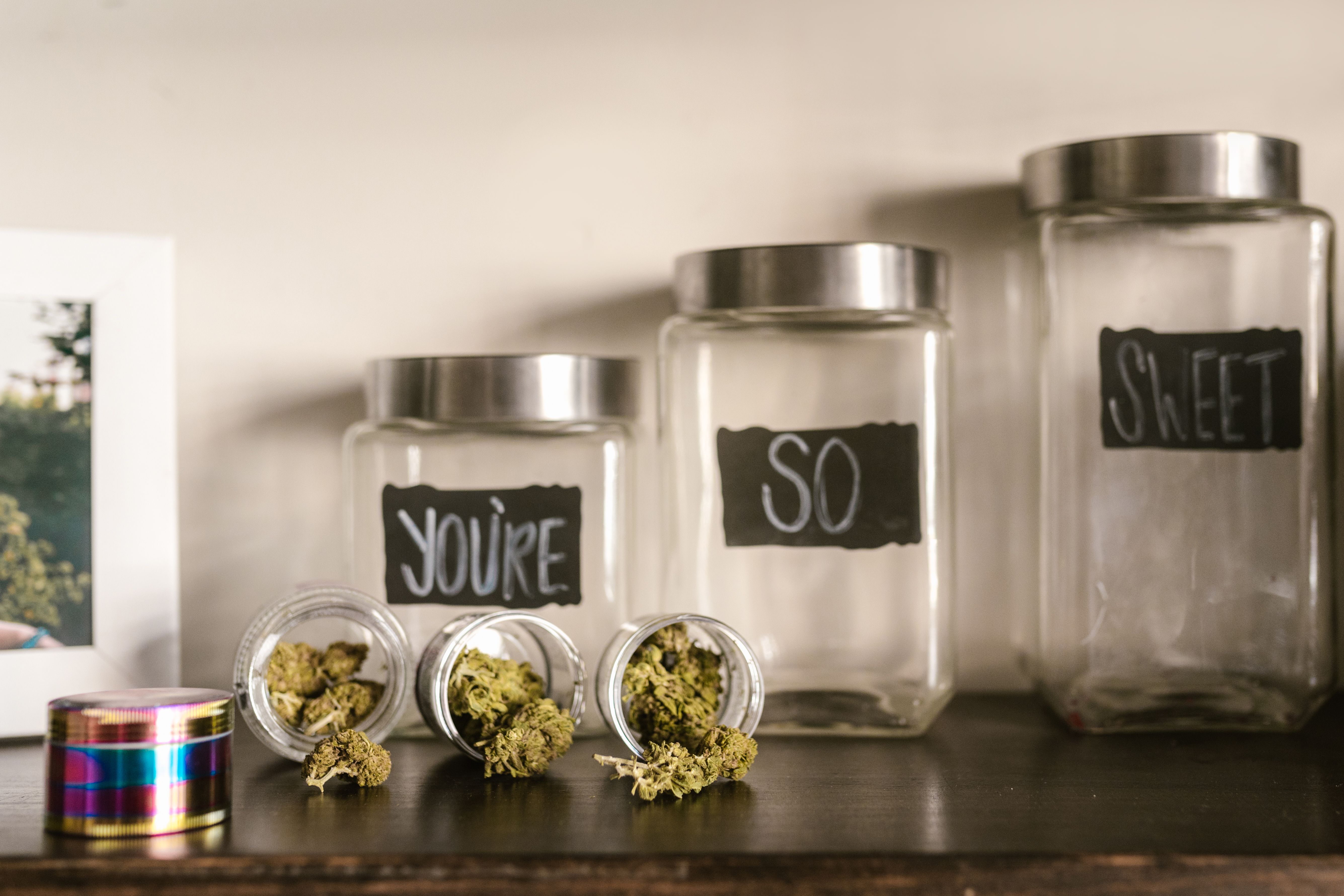
Cannabis is one of the few consumer goods where the buyer cannot touch, smell, or sample the product before paying for it. In most states the container is even required to be opaque, so the entire pre-purchase judgment happens on signal: the format, the weight of the jar in hand, the finish, the label. That is why packaging decisions are brand decisions, made before a single consumer ever opens the container.
The research backs this up. In a discrete-choice experiment UC San Diego researchers ran on 1,578 adults across legal states in 2022, package style was the single most important of the five attributes tested, carrying between 33% and 51% of relative importance – well ahead of health claims, potency indicators, or warning placement. New Frontier Data’s consumer research found that 52% of buyers would rather buy an unfamiliar strain from a favorite brand than a preferred strain from an unknown one. Translated: once a brand owns a buyer’s trust through repeated good experiences, packaging is what keeps that trust alive on the shelf.
Premium packaging isn’t a luxury – it prices the flower
When a market is oversupplied, the instinct is to cut prices and hope volume saves you. The evidence points the other way. In the Packaged Potency study from Physis + Agency and Censuswide, based on 1,009 flower consumers in adult-use states, shoppers said they would pay up to 26% more for an eighth sold in packaging that felt special – collectible, giftable, worth keeping – and 86% of the buyers who prioritize brand and packaging said the high they got matched what the branding promised. Cannabis Business Times reported on the work, including the case of a limited-run eighth whose fancier packaging added about $1.05 per unit to cost and $10 to $15 to retail price – and sold out.
That is the whole thesis in one example. The packaging does not make the trichomes frostier. It does the harder job: it tells a buyer who cannot open the jar that the grower behind it cared enough to protect what is inside. When flower prices are falling, that is the difference between competing on price and competing on proof of quality.
Packaging has to protect the quality you already paid to grow
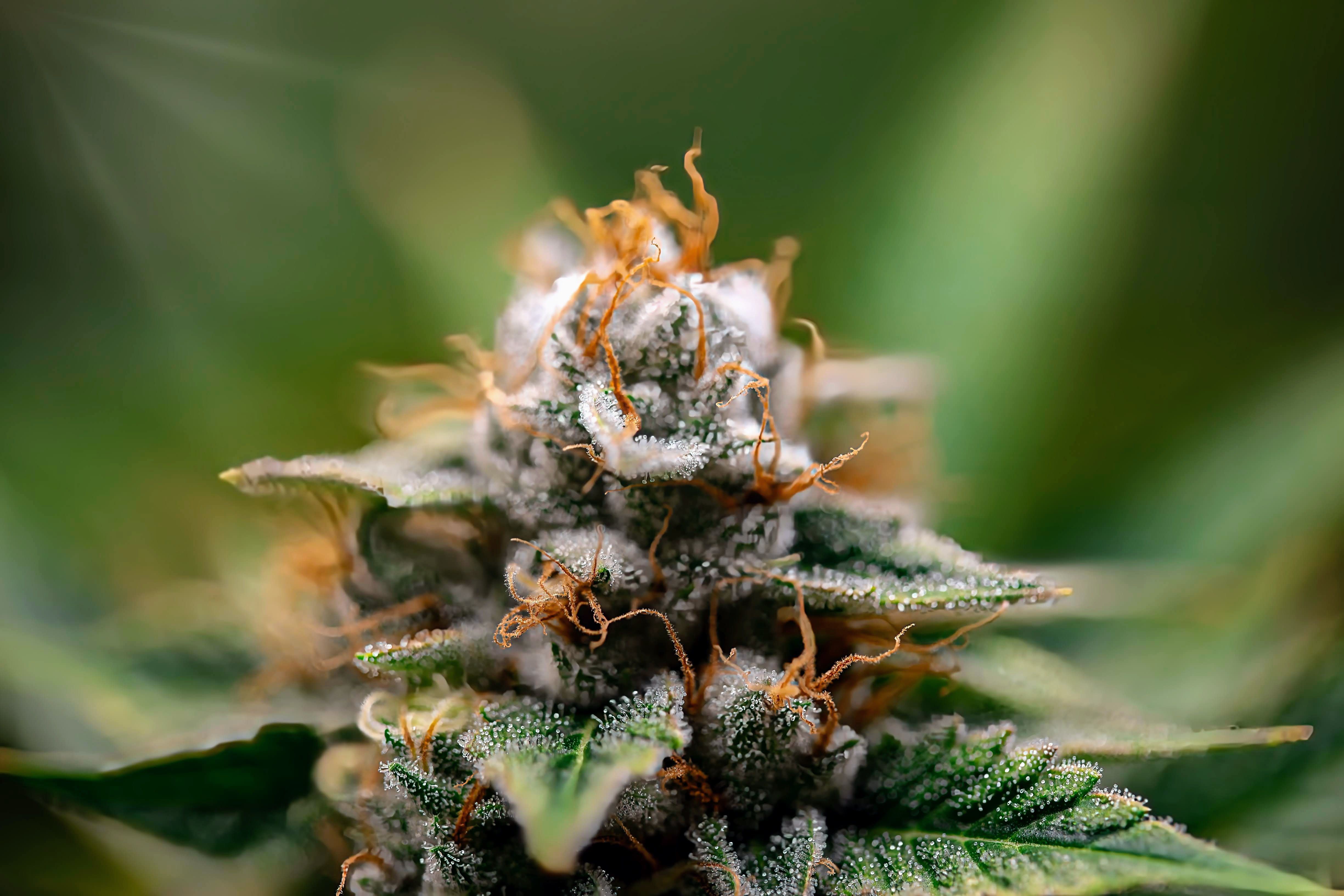
The counterargument – that packaging is marketing fluff and the flower speaks for itself – ignores what bad packaging does to good crops. Flower is a perishable, aromatic product whose value lives in volatile terpenes and trichomes that degrade with oxygen, light, and moisture swings. A cheap pouch with a weak seal doesn’t just look bad; it dries the product out on the shelf, and every eighth that fails is cultivated capacity thrown in the trash. Operators who spend heavily on genetics and canopy and then underspend on the barrier between the flower and the air are wasting their most expensive asset at the final step.
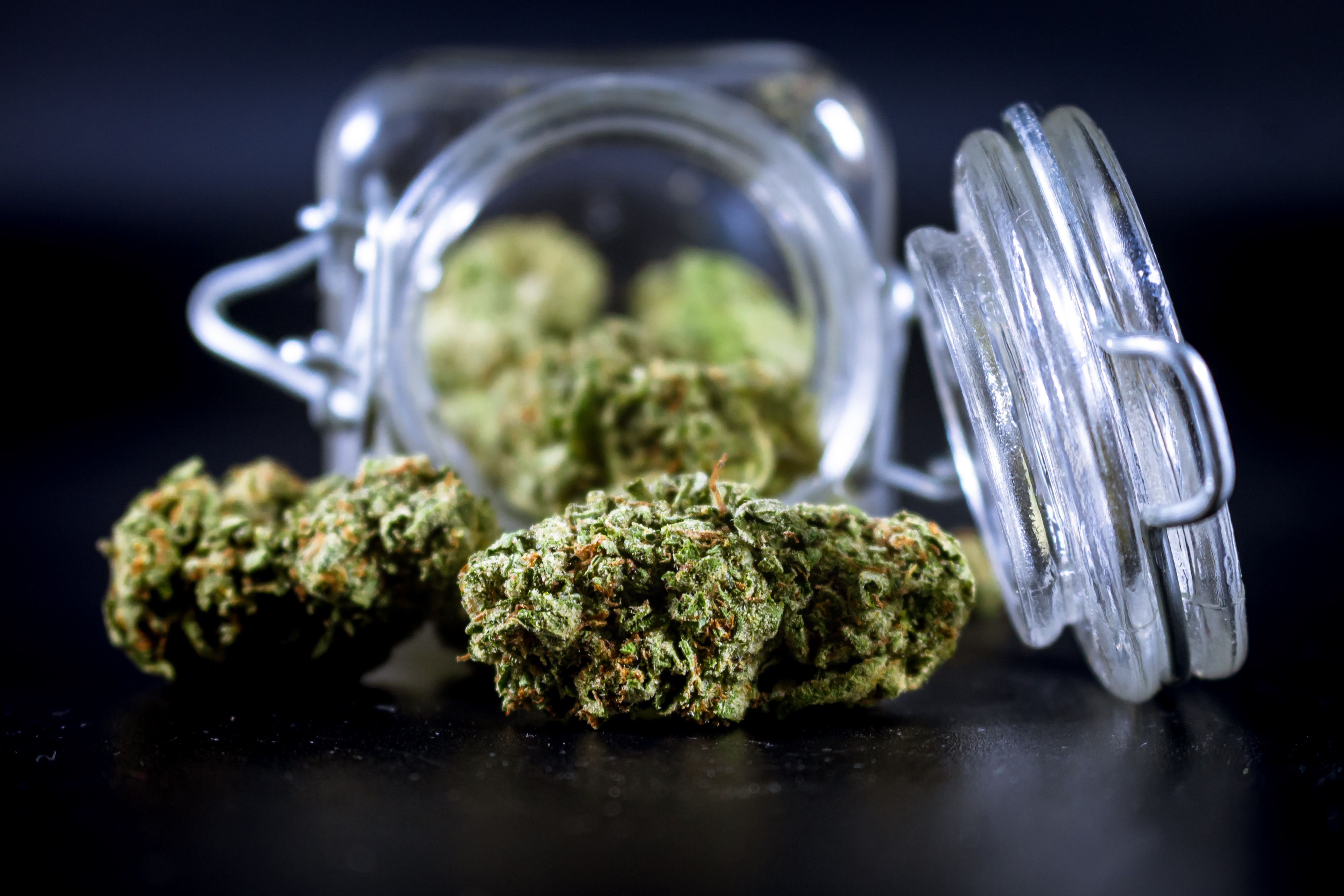
Quality packaging also carries an obligation most brands discover too late: it must be child-resistant, tamper-evident, and often resealable and opaque, per standards built on the federal Poison Prevention Packaging Act and 16 CFR §1700.20. Compliance isn’t a design constraint to work around – it is a documentation burden. The certification is format-specific, requires accredited-lab test reports (child panels must fail to open at least 85% of the time; senior panels must open reliably), and suppliers typically charge $3,000 to $8,000 per format to certify, with recertification needed every five years or whenever the design changes. States are also layering on sustainability rules: Minnesota now requires cannabis products to be prepackaged in child-resistant, tamper-evident, opaque packaging, and California’s extended producer responsibility program is set to reach packaging in 2027.

This is where packaging and production capacity first collide. A recalled batch – for missing tamper evidence, an unapproved closure, or documentation that doesn’t match the format in use – doesn’t just cost a fine. It pulls product off shelves and idles the grow, extraction, and packaging lines behind it. Regulators in Colorado and Massachusetts have pulled licenses over documentation gaps. The cheapest packaging decision you can make is the one that keeps a compliant, certified format in front of every inspector.
Production capacity sets the ceiling on packaging quality
Capacity pressures decide what a brand can afford long before design begins. The economics run through minimum order quantities: custom printed packaging typically carries MOQs of 1,000 to 10,000 units, and per-unit cost falls steeply as volume climbs. Suppliers report that moving from 500 to 5,000 units cuts per-unit cost by 65% to 75%, while small and startup brands routinely pay 30% to 40% more per unit than established operators on identical formats. At 50,000 units and above, packaging stops being a purchase and becomes a supply program.

That is why market structure matters so much. Where capacity is concentrated, so is packaging power. In Illinois, the Parabola Center’s Illusion of Competition report found that 17 incumbent companies control 20 of the state’s 21 large cultivation licenses and take in about 79% of revenue – while independent craft growers moved 27% of units but earned just 8.1% of the dollars. With roughly 14,000 square feet of canopy against an incumbent’s 210,000, a craft grower can’t generate the throughput to unlock volume pricing on premium packaging, and flower prices down roughly 40% since 2022 have squeezed exactly the segment independents are boxed into. The report’s co-author, Damian Fagon, put it bluntly: “Nobody has to discriminate for this market to come out unequal.”
The state-by-state picture shows how differently this plays out:
| Market | Capacity situation (2026) | Price signal |
|---|---|---|
| Massachusetts | ~3M sq ft of active canopy plus ~700K sq ft pending; new cultivation licenses frozen from June 16, 2026 | Average retail ounce at record low of $113.68 (Dec 2025) vs. $401.43 (Dec 2020) |
| Illinois | 17 incumbents hold 20 of 21 large cultivation licenses; craft growers capped near 14,000 sq ft | Flower prices down ~40% since 2022; craft growers earn ~8% of revenue |
| New York | Roughly 588,000 lbs of annual capacity with only about half of permitted canopy operating | Shortfall of ~356,000 lbs projected; retail on pace for ~$2.6B in 2026 |
Sources: State House News Service (Apr 2026); Parabola Center / The Cole Memo (Jun 2026); NY Cannabis Control Board Resolution 2026-19 (Mar 2026). Figures as reported on those dates.
Notice what the table says about packaging. In an oversupplied market, brands fight over a shrinking price and reach for the cheapest compliant bag – and the shelf fills with lookalike commodity product. In a supply-short market like New York, brands have volume but no incentive to differentiate, so they ship whatever clears compliance fastest. Neither instinct builds a durable brand. The durable move is matching capacity to realistic sell-through and spending the packaging budget the volume actually supports.
Where I land on the trade-off
My read is that most brands get the sequencing wrong. They decide capacity targets first, treat packaging as an afterthought, and then discover the per-unit math only when a quote arrives. I would argue the opposite order works better: decide the price tier and the packaging format that supports it, then scale capacity to the volume that format economics require. A premium eighth in a rigid, certified jar needs enough throughput to reach a sane per-unit price – and a value flower line needs the cheapest format that still seals properly, because nothing destroys margin faster than paying rigid-box prices for a $25 eighth.
There is a genuine debate about whether regulators should be freezing licenses at all. David Rabinovitz at the Talking Joints Memo makes a sharp case that a license freeze is economic protectionism dressed as market management, and that publishing honest capacity data and enforcing tier relegation would do more than a cap. He’s right that capacity stats are routinely misleading – provisional licenses can sit in limbo for years while the market assumes their canopy will never come online. Where we’d part ways: even if you fix the data problem, you still have to compete on the shelf today, and that is a packaging problem no policy change solves.
Here is where I land. If you are a brand operator planning your next run, treat packaging as part of your capacity plan: standardize formats across SKUs, buy at the volume tier your real sell-through justifies rather than the one you hope to hit, and demand certification documentation at every reorder, not just the first. For a brand that is still below the volume where custom tooling makes sense, the right Cannabis brand packaging partner is one that meets you at your actual order size – factory-direct pricing, low minimums, and design help you don’t have to staff internally – so you aren’t forced to choose between compliance and shelf presence.
The brands that survive a price-compressed market aren’t necessarily the biggest growers. They’re the ones whose packaging justifies the price they ask, whose capacity lets them afford that packaging, and whose documentation keeps both running. Treat those as one decision, and the margin takes care of itself.