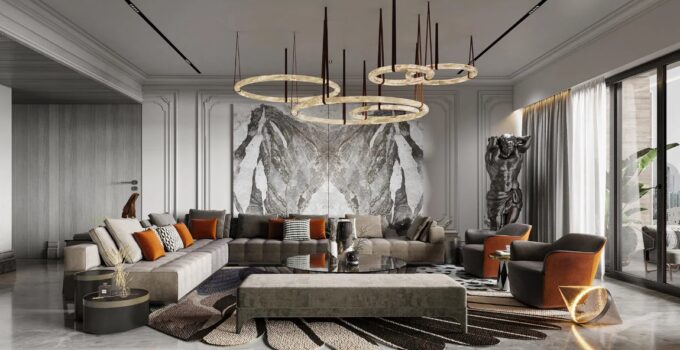
When you write about luxury residential interiors, the voice matters as much as the content. The most effective approach is grounded, observant, and focused on how people actually live in these spaces. That kind of tone builds trust and aligns with how buyers and homeowners evaluate value today.
A useful way to think about it is this: you are not describing luxury as a concept. You are explaining how specific design decisions affect comfort, usability, and long-term property value.
This article follows that approach. It stays close to real design logic, avoids trends for the sake of trends, and focuses on decisions that hold up over time.
What “value” really means in luxury interiors
When people talk about luxury interiors adding value, they often think about visual impact. That is only part of it.
Value is created when a space works better, lasts longer, and feels considered at every level. Buyers and investors respond to that combination. It is why well-designed homes often sell faster and at higher prices.
There is clear data behind this. Features like upgraded kitchens, smart technology, and energy-efficient systems consistently improve property appeal and resale potential. At the same time, quality materials and craftsmanship signal durability, which buyers are willing to pay for.
So instead of asking “does this look luxurious,” the better question is: does this improve how the space is used, maintained, and experienced over time?
Why details matter more than statements
A lot of people assume luxury comes from big gestures. In practice, it is the smaller decisions that shape how a space is perceived.
This is where good interior design becomes measurable. Elements like bespoke doors, door finishes, joinery quality, and hardware selection define the overall standard of a home. If you look at well-executed projects, even something as simple as well-made doors or integrated storage systems can change how the entire space feels.
A well-designed space is not defined by one feature. It is the result of consistent decisions across every surface and function.
That consistency is what buyers recognize, even if they cannot immediately explain it.
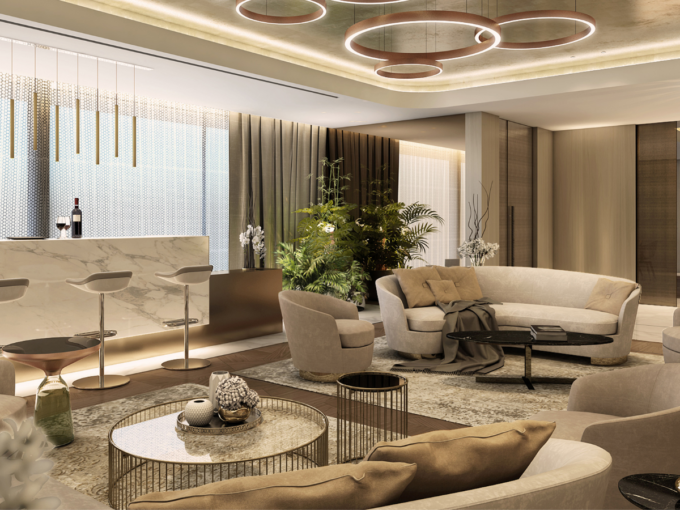
Source: nppartners.net
Layout decisions that increase long-term value
The layout is where most of the real value sits. It affects how people move, how light travels, and how flexible the space is over time.
Open layouts are still relevant, but only when they are structured. Buyers prefer spaces that feel open but still have defined zones for living, dining, and working. Poorly planned open spaces tend to feel unfinished rather than luxurious.
What consistently adds value:
- Clear zoning within open plans
- Direct access to natural light
- Logical transitions between rooms
- Flexible spaces that can adapt to different uses
This is not about removing walls. It is about making the space easier to live in every day.
Materials and finishes that hold their value
Materials are one of the most visible indicators of quality. They also influence maintenance and longevity, which directly affects resale.
High-end buyers are not just looking for expensive materials. They are looking for materials that age well and are easy to maintain.
Here is a simple breakdown:
|
Element |
Value-driven choice |
Why it matters |
| Flooring | Natural stone or engineered wood | Durable and widely accepted by buyers |
| Countertops | Quartzite or high-grade quartz | Resistant to wear and visually consistent |
| Cabinetry | Custom or semi-custom joinery | Better storage and longer lifespan |
| Wall finishes | Neutral, high-quality paint or plaster | Easier to update without full renovation |
Homes that use durable materials tend to maintain value better because they reduce future renovation costs.
Kitchens and bathrooms as value anchors
If you look at resale data, kitchens and bathrooms consistently have the highest return on investment.
A well-designed kitchen is not just about appliances. It is about workflow, storage, and clarity. Buyers notice details like soft-close systems, integrated appliances, and durable surfaces because they affect daily use.
Bathrooms follow a similar pattern. Features that increase value include:
- Walk-in showers with quality fittings
- Simple, well-lit layouts
- Materials that resist moisture and wear
Recent data also shows that spa-like elements such as steam showers or high-quality stone finishes can increase perceived value significantly.
These spaces are practical. That is why they matter.
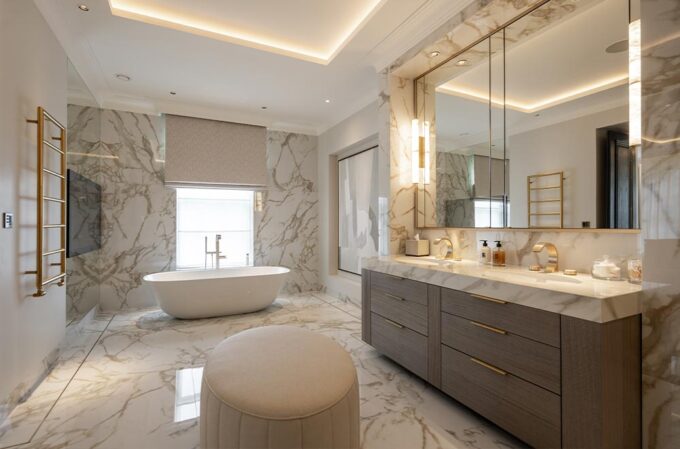
Source: conceptvirtualdesign.com
Lighting as a functional investment
Lighting is often treated as decoration, but it plays a structural role in how a space is experienced.
Good lighting design combines three layers:
- Ambient lighting for general visibility
- Task lighting for specific activities
- Accent lighting to define areas
Natural light is just as important. Homes with better access to daylight tend to feel larger and more comfortable, which directly affects buyer perception.
A simple rule: if a space feels easy to use at any time of day, the lighting is working.
Storage and built-ins that improve usability
Storage is one of the least visible but most valuable features in a luxury home.
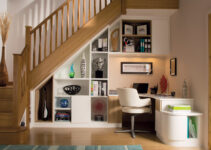
Buyers consistently prefer built-in solutions over freestanding furniture because they keep spaces organized and visually clean. Smart storage can also make smaller spaces feel larger by reducing clutter.
Effective storage includes:
- Walk-in closets with structured layouts
- Hidden storage in kitchens and living areas
- Integrated shelving that matches the architecture
This is not about adding more storage. It is about placing it where it makes daily routines easier.
Technology and sustainability as baseline expectations
In the current market, certain features are no longer optional in luxury homes.
Smart home systems, energy-efficient appliances, and sustainable materials are now expected. These features appeal to buyers because they reduce long-term costs and align with modern living standards.
Examples that add measurable value:
- Smart climate and lighting control
- Energy-efficient windows and insulation
- Sustainable materials with low maintenance needs
These upgrades are practical. That is why they influence purchasing decisions.
Did you know that some interior design improvements can increase property value by more than 10 percent, depending on the feature and market?
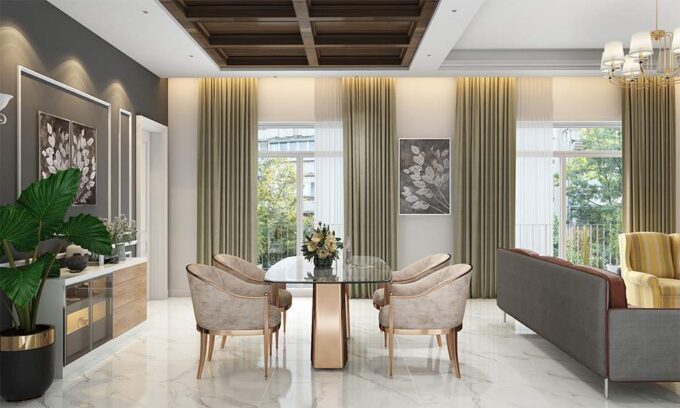
Source: designcafe.com
Bringing it all together
Luxury interiors that add value are not built around trends or visual impact alone. They are built around decisions that improve daily use, reduce maintenance, and remain relevant over time.
If you focus on layout, materials, lighting, and usability, the result will feel consistent. That consistency is what buyers recognize as quality.
The goal is simple. Every design decision should answer a practical question: does this make the space easier to live in and more durable over time?
If the answer is yes, the value follows naturally.