If you drive your car year after year through rain, snow, slush, salt, and dusty summer roads, the question is not if your vehicle will start developing corrosion, but when.
The truth is simple: the best rust protection is the one you apply before rust becomes a problem, and the most reliable solution for long-term defense is a high-quality underseal that bonds well, stays flexible, and resists the layers of moisture and debris your car sees during everyday use.
A concrete answer right from the start: the best rust underseal is a formula that offers both strong adhesion and long-term elasticity, performed on clean metal with proper surface prep.
Everything else, brand names, application tools, and finish types, matters only if this core requirement is met.
How Rust Actually Forms Under Your Vehicle
Source: eastwood.com
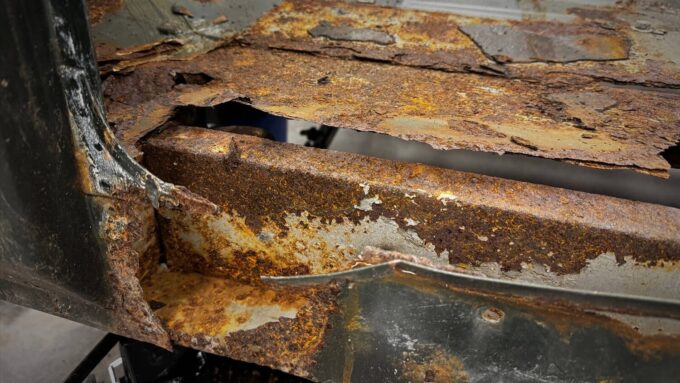
Long-term protection only makes sense if you understand what you’re protecting against. The underside of a car is exposed to a brutal mixture of environmental factors:
- Moisture: Rainwater, road slush, and puddles keep metal damp for hours.
- Salt: Road salt accelerates oxidation dramatically.
- Mechanical abrasion: Gravel, small rocks, and sand constantly hit the metal.
- Temperature swings: Expansion and contraction cause micro-cracks in coatings.
- Trapped dirt: Thick layers of mud hold moisture directly against metal.
What makes underbody corrosion especially dangerous is that it starts quietly. You won’t notice it until structural areas—suspension components, subframes, brake lines—start weakening.
A good underseal stops this cycle by creating a barrier that blocks oxygen and moisture, which are the two elements rust needs to form.
Types of Rust Underseal and How They Perform Long-Term
Different underseals behave differently depending on climate, road conditions, and vehicle type. Below is a detailed look at how major categories compare.
1. Bitumen-Based Underseal
This is the classic black, sticky underseal many shops have used for decades. It is durable, thick, and offers strong noise-damping as a bonus.
Pros:
- Extremely thick coating
- Good impact resistance
- Affordable
Cons:
- Can crack in extreme cold
- Difficult to remove
- Does not stop rust that is already active
Best for: older vehicles, cars in dry to moderate climates, and a budget for underbody protection.
2. Rubberized Underseal

Source: shop.wurth.ca
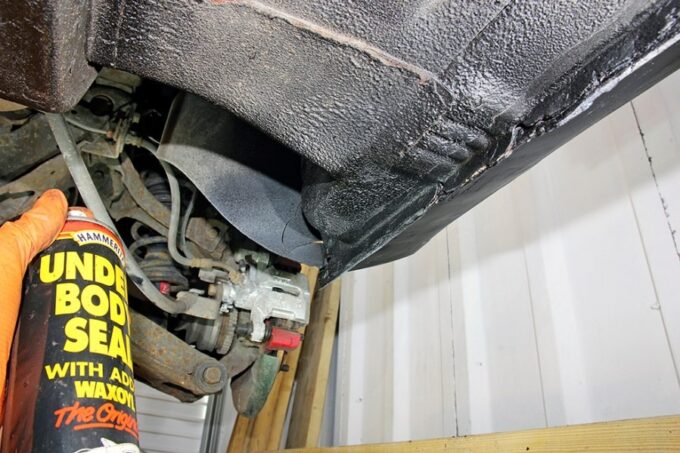
Rubberized underseal is widely used today because it is flexible, durable, and less likely to crack. It also handles gravel impact well.
Pros:
- Long-term flexibility
- High abrasion resistance
- Can be applied in thick layers
- Quieter ride due to sound damping
Cons:
- Must be applied on clean, rust-free surfaces
- Some formulas trap moisture if rust is not neutralized first
Best for: daily drivers, modern cars, climates with heavy rain and salt.
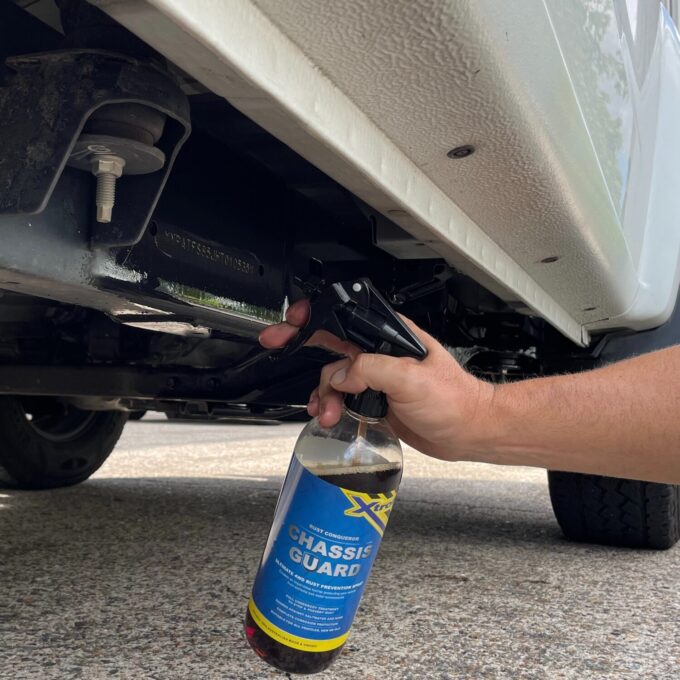
3. Wax/Oil Fluid Film
This type penetrates seams, cavities, and existing rust. It is not a hard coating—it stays soft and oily—but it stops oxygen from reaching metal.
Pros:
- Excellent for preventing rust spread
- Self-healing, reflows into scratches
- Great for hard-to-reach cavities
Cons:
- Must be reapplied yearly or every two years
- Not ideal as the only layer on the exposed undercarriage
Best for: winter climates, cars already showing early rust, and annual maintenance.
4. Epoxy-Based Underseal
The newest category, epoxy underseals, forms a rigid, chemically-resistant barrier similar to industrial coatings.
Pros:
- Very long durability
- High chemical resistance
- Strong adhesion when surfaces are properly prepped
Cons:
- Requires meticulous preparation
- Harder to apply at home
- Not flexible like rubber or wax
Best for: off-road vehicles, restoration work, and long-term underbody protection projects.
Comparison Table: Long-Term Performance of Underseal Types
Source: drivingelectric.com
Below is a table summarizing how each type performs on key metrics that matter for long-term protection.
| Underseal Type | Durability (Years) | Flexibility | Rust-Stopping Ability | Maintenance Need | Best Use Cases |
| Bitumen | 2–4 | Low | Low | Low | Older cars, dry climates |
| Rubberized | 4–7 | High | Medium | Medium | Daily drivers, mixed climates |
| Wax/Oil | 1–2 (renew yearly) | High | High | High | Salted roads, early rust |
| Epoxy | 5–10 | Low | Medium–High | Low | Off-road, restorations |
Why Surface Preparation Is More Important Than the Underseal Itself
You could spend money on the best product on the market, but if you apply it over dirty or rusty metal, the protection will fail early. Real long-term results always depend on:
- Removal of loose rust
- degreasing the surface
- drying the undercarriage
- using Rust converter where necessary
- applying appropriate primers
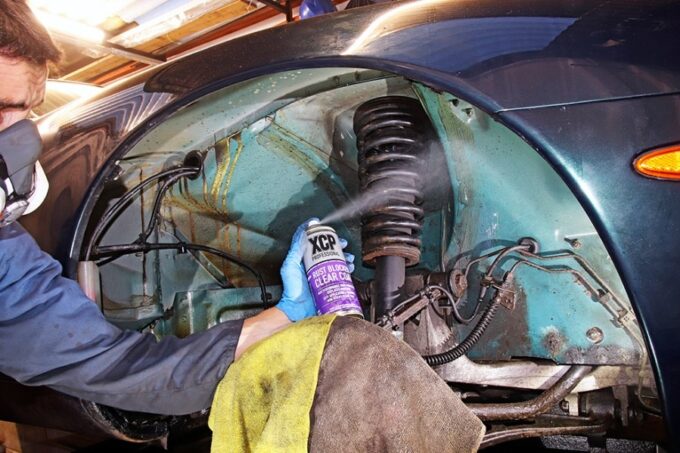
Many people rush this step or skip it entirely, which leads to premature cracking or peeling of the underseal. A properly applied coating should bond tightly to the metal, not sit on top of dust or rust flakes.
What Makes a High-Quality Underseal Last Longer
Source: classicsworld.co.uk
Over years of experience and industry testing, several characteristics consistently separate good products from mediocre ones:
1. Elasticity
A coating must be flexible enough to bend with the car. Rigid materials crack over time.
2. Adhesion
A coating that sticks well resists peeling and prevents moisture infiltration.
3. Thickness
Multiple layers provide stronger impact resistance and better sealing properties.
4. Chemical Resistance
Salt, gasoline, and brake fluid can degrade cheaper coatings quickly.
5. UV and Heat Resistance
The underside of a car warms significantly during long drives; heat breakdown weakens some coatings.
A high-quality rust underseal meets all of these criteria and is designed specifically for long-term environmental exposure, making it a key factor in achieving multi-year corrosion protection.
Climate: The Most Overlooked Factor in Choosing an Underseal
Where you live changes everything about which underseal you should choose.
Cold & Snowy Climates
Road salt and slush will destroy thin or brittle coatings fast. Wax/oil sprays and rubberized underseals work best because they remain flexible even in freezing conditions.
Hot, Dry Areas
Bitumen and epoxy perform better in hot climates because they harden into durable layers that are not constantly flexing due to moisture.
Coastal Regions
Salt air is highly corrosive. A wax/oil cavity treatment combined with rubberized underseal on exposed parts gives the most reliable protection.
Choosing the Best Underseal for Your Vehicle Type
Source: cholsamaj.com
The ideal choice varies depending on what type of vehicle you drive.
Daily Commuter Cars
A rubberized underseal offers the best balance of durability, noise reduction, and flexibility.
Older Vehicles or Cars With Early Rust
Wax/oil treatment penetrates and slows rust from the inside out. It should be reapplied regularly.
Off-Road Trucks and SUVs
Epoxy-based or heavy-duty rubberized coatings excel under extreme gravel impact and mud exposure.
Classic Cars or Restorations
Epoxy primer + rubberized underseal gives long-term stability for vehicles stored for long periods.
Application Process: What Determines Real-World Longevity
Even the best underseal will fail early if applied incorrectly. A typical long-lasting application includes:
1. Underbody Cleaning
Power washing followed by drying. Dirt must be fully removed.
2. Rust Treatment
Any visible rust must be neutralized with a converter or removed mechanically.
3. Masking
Avoid spraying on exhaust or moving suspension parts.
4. Layered Application
Most coatings perform best in 2–3 layers, with drying time between coats.
5. Regular Inspection
Check the undercarriage annually for chips or damage.
How Long Should a Good Underseal Last?
Source: classicsworld.co.uk
Depending on the type and climate:
| Underseal Type | Expected Lifespan |
| Wax/Oil | 12–24 months |
| Bitumen | 2–4 years |
| Rubberized | 4–7 years |
| Epoxy | 5–10 years |
Regular touch-ups and inspections can extend these lifespans by several years.
Final Verdict
If you want a universal, dependable long-term solution, rubberized underseal is typically the best choice because it combines flexibility, durability, and strong adhesion in all weather conditions.
For vehicles with existing rust, add a penetrating wax/oil treatment to stop corrosion before applying the top protective layer.