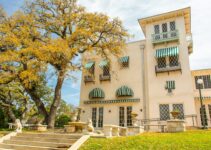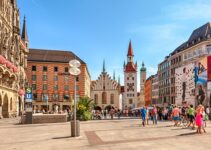
There’s a version of Munich most people carry in their heads. Big beer tents, loud music, endless crowds, and that slightly chaotic energy that comes with millions of visitors pouring into one place. And to be fair, that image isn’t wrong. Oktoberfest really is massive, drawing millions every year and turning the city into a global party hub.
But here’s the thing people don’t always realize. That version of Munich is just one layer. The rest of the year, the city feels like something else entirely. Slower, more grounded, and honestly, more interesting in ways that don’t scream for attention.
The myth of Munich as a “festival-only” city
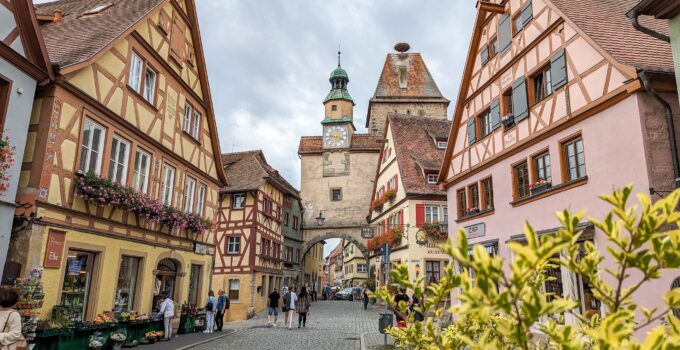
Source: theglobetrottingdetective.com
It’s easy to reduce Munich to Oktoberfest because it’s so visible. For a few weeks, everything revolves around it. But outside that window, the city returns to something closer to its real identity. A place that Germans themselves sometimes call a “village of a million people” because of its relaxed, almost small-town atmosphere.
Walk through the streets in spring or early autumn and you notice it immediately. People are not rushing for the next attraction. They’re sitting in cafés, biking along the river, or just taking their time.
Where expectations meet reality
And this is where the shift happens. If you arrive expecting constant noise and spectacle, Munich without Oktoberfest might feel surprisingly calm. But if you give it a day or two, that calm starts to feel intentional.
In fact, some visitors end up discovering sides of the city they would have missed during the festival chaos. Small bars, quiet neighborhoods, and even niche experiences like the discreet world of München escort services, which you might come across while exploring the city’s more private and upscale nightlife scene. It’s one of those details that reminds you Munich is not just a stage for tourists, but a fully lived-in city with many layers.
What daily life in Munich actually looks like
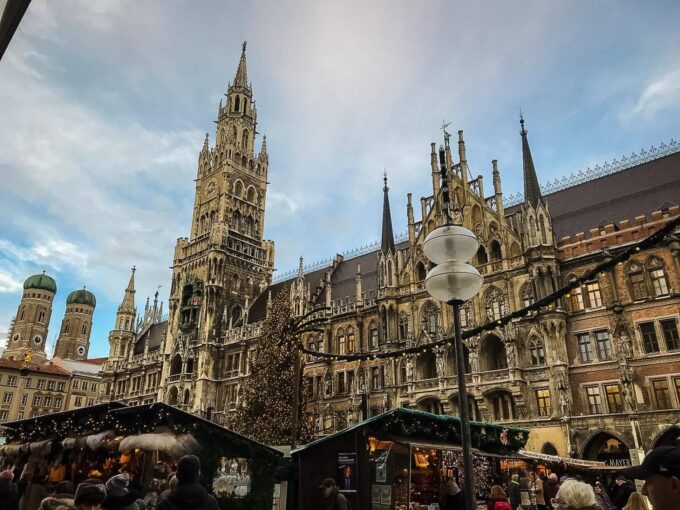
Source: findawayabroad.com
Once you move past the idea of Munich as a party destination, you start noticing how well the city functions. Everything feels organized, but not in a cold way. More like a system that quietly works in the background.
Public transport is smooth, streets are clean, and there’s a kind of rhythm to everyday life that feels predictable in a good way.
You’ll see people grabbing coffee in the morning, heading to work by bike, or stopping at local markets for fresh food. It’s not flashy, but it’s consistent.
A normal day, broken down
- Morning starts slow with bakeries and coffee spots filling up
- Midday brings a mix of office workers and tourists in central areas
- Afternoons often shift outdoors, especially near the Isar River
- Evenings are social, but rarely chaotic
This pattern repeats, and after a while, it becomes part of the charm.
The quieter side of famous places
One of the biggest surprises is how different Munich’s landmarks feel without the festival crowds. Places that would normally be packed suddenly have space to breathe.
You can walk through the old town, sit in a square, or visit markets without feeling rushed. The experience becomes less about checking off sights and more about actually being there.
| Location | During Oktoberfest | Outside Oktoberfest |
| Marienplatz | Crowded, energetic | Open, walkable, relaxed |
| English Garden | Busy but lively | Calm, local, spacious |
| Viktualienmarkt | Packed with tourists | Balanced mix of locals and visitors |
And honestly, the difference is not subtle. It changes how you experience the city completely.
After a while, you stop thinking of these places as attractions and start seeing them as part of daily life.
A different kind of social energy
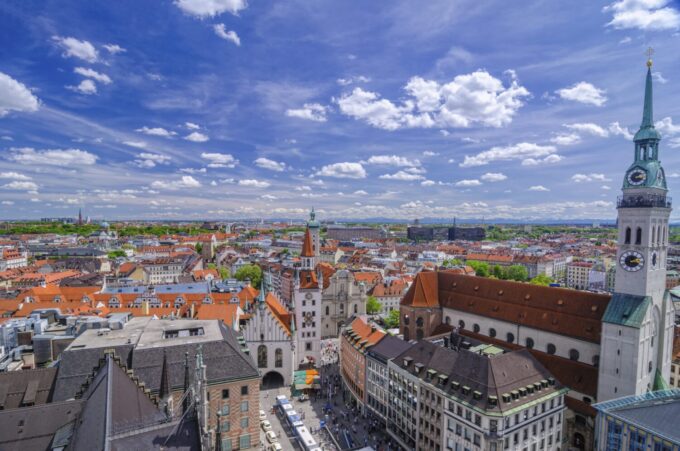
Source: cnbc.com
Munich without Oktoberfest is not empty. It just expresses itself differently. Instead of massive crowds, you get smaller, more personal interactions.
There are still festivals, just on a smaller scale. For example, spring brings strong beer festivals that locals tend to enjoy in a more relaxed, community-driven way.
Even nightlife shifts. Instead of huge tents and shared tables, you’ll find cocktail bars, quiet beer gardens, and conversations that last longer than a single song.
Interesting fact: Munich receives millions of visitors yearly, yet still maintains a reputation as one of Europe’s friendliest cities.
That balance between popularity and livability is not easy to maintain, but Munich somehow pulls it off.
The psychology of the city without the noise
This is the part that’s harder to explain, but you feel it quickly. Without the intensity of Oktoberfest, Munich becomes more introspective.
There’s more space, both physically and mentally. People seem more present. Conversations are slower. Even the city’s architecture stands out more when it’s not competing with noise and crowds.
You start noticing details:
- The sound of bikes passing instead of music blasting
- The way people linger in parks instead of rushing
- The contrast between historic buildings and modern life
It’s subtle, but it adds up. And for many visitors, this version of Munich feels more authentic.
Who will actually enjoy Munich without Oktoberfest
Not everyone will love this version of the city, and that’s fine. It depends on what you’re looking for.
If you want energy, chaos, and a once-in-a-lifetime party, Oktoberfest is hard to beat. But if you prefer something more balanced, this quieter Munich might suit you better.
It’s ideal if you:
- Enjoy slow travel and observing local life
- Prefer smaller crowds and more personal experiences
- Like cities that feel organized but still warm
It might disappoint if you:
- Expect constant excitement and large-scale events
- Want a highly social, party-focused atmosphere
The key is expectations. Munich does not try to entertain you every second. It gives you space instead.
Why the “real” Munich is worth seeing
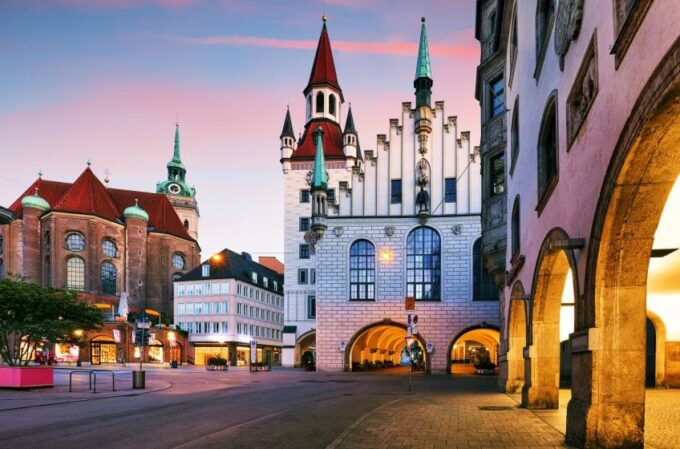
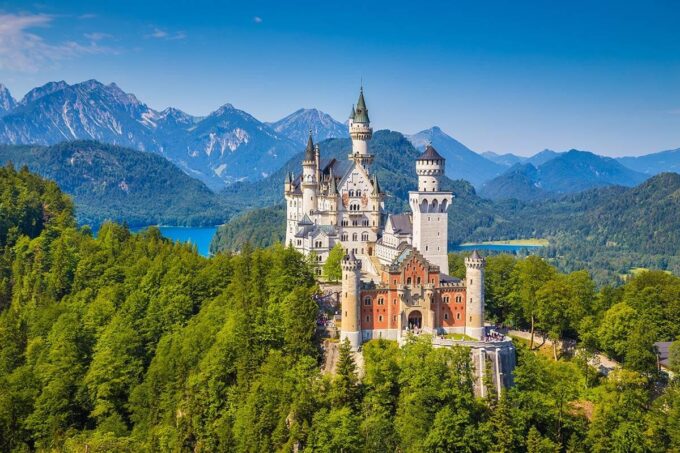
Source: choosewhere.com
After spending time in the city without Oktoberfest, you start to understand why people live here long-term. It’s not about one big event. It’s about consistency.
The city offers a high quality of life, a welcoming atmosphere, and a rhythm that feels sustainable.
And maybe that’s the biggest difference. Oktoberfest is intense, but temporary. The rest of Munich is steady, and that steadiness is what defines it.
By the time you leave, you might even feel like you’ve seen something more real than the version most people come for.
Not louder. Not bigger. Just more honest.