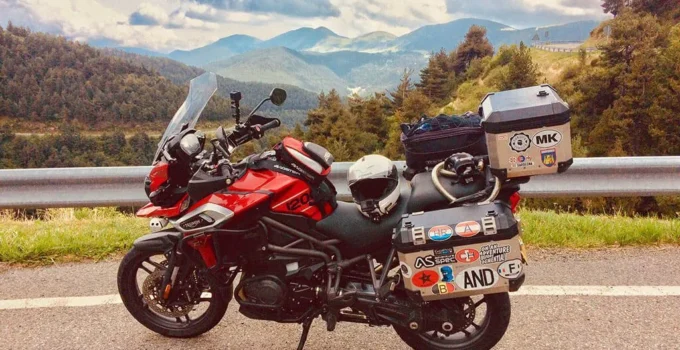
Every touring setup fails at the same moment, and it is rarely the one riders prepare for. The first three hours feel planted and easy. Past hour four, the bike that felt great at breakfast becomes a negotiation: your clutch hand aches, your shoulders creep toward your ears, and the wind you stopped noticing is suddenly the loudest thing in your head. That is not a fitness problem.
Why hour four is where good setups quietly fail
Dozens of small forces accumulate. A 40-mile commute never fully soaks your gloves or flattens the loft in a jacket lining; a 500-mile day does both, twice, then asks you to repeat it tomorrow. The research supports the pattern. A 2006 review of rider fatigue cites a study in which up to 40% of riders reported fatigue on at least half of their long journeys. A 2026 study of eight experienced riders covering 1,487 km measured left-hand grip strength falling from 53.85 kg to 47.65 kg after the first 999 km – clutch-hand fatigue on a gauge – before partly recovering after a rest day. Comfort is a safety feature, not a luxury.
Wind is the fatigue you do not notice until you stop
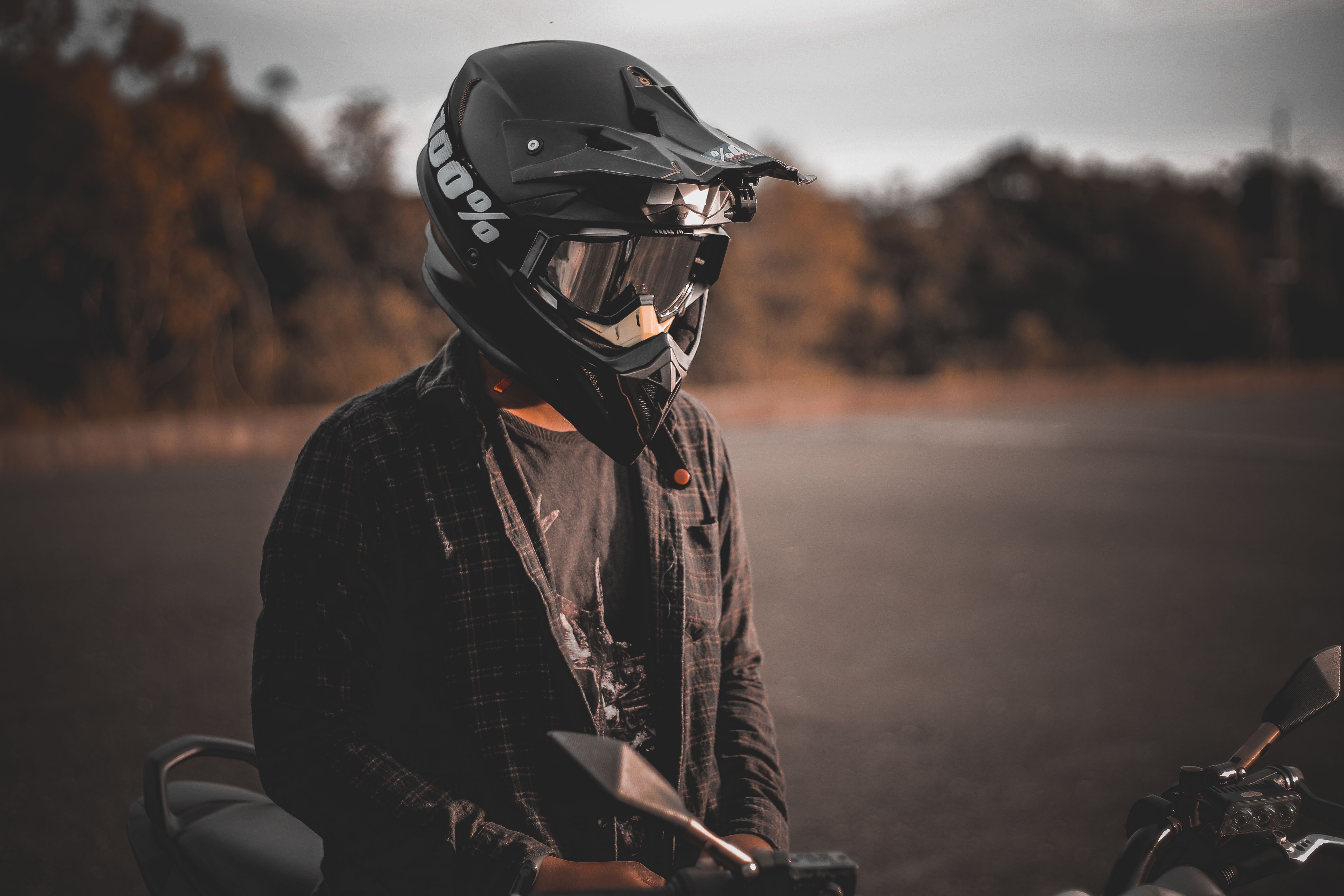
Wind fatigue is the most underestimated enemy of long-distance riding. At 100 km/h for six hours, constant blast against helmet and chest produces shoulder tension, neck stiffness and real cognitive load – the mental energy spent fighting the air is energy you cannot spend reading the road.
The noise is the part riders ignore. At-ear levels under a helmet sit around 90 dB(A) at 60 km/h and climb to roughly 110 dB(A) at 160 km/h, and helmets tend to amplify low-frequency wind noise rather than block it. A wind-tunnel study of motorcycle helmet noise found the engine and the windscreen were stronger contributors to what you hear than the helmet’s own aerodynamics. The fix costs pocket change: the foam plugs tested in clinical research on motorcyclist hearing cut around 15 dB and abolished the temporary hearing threshold shift measured after an hour at 80 mph.
The screen rule almost nobody follows
The right screen height points turbulence at your chest, not your visor. Get it wrong – usually by buying too tall – and you push a standing wave straight at helmet level, producing buffeting that is worse than no screen at all. Riders who fit a properly sized motorcycle windscreen rarely go back to long days without one, because moving wind pressure off your neck and helmet is the highest-value comfort upgrade on most touring bikes. Between two heights, go shorter.
The three contact points beat any jacket upgrade
Seat, hands and feet are where the bike actually touches you, and they decide whether day four is fun or punishment.
Start with the seat. Stock saddles are built for average rides, not consecutive long ones. The cheap fixes work: a sheepskin throw-over costs about £10 and keeps you warm in cold and cooler in heat, while an air cushion at roughly £50–£70 shifts pressure away from your sit bones. A tailored seat with gel or memory foam is the most effective option and starts around £150.
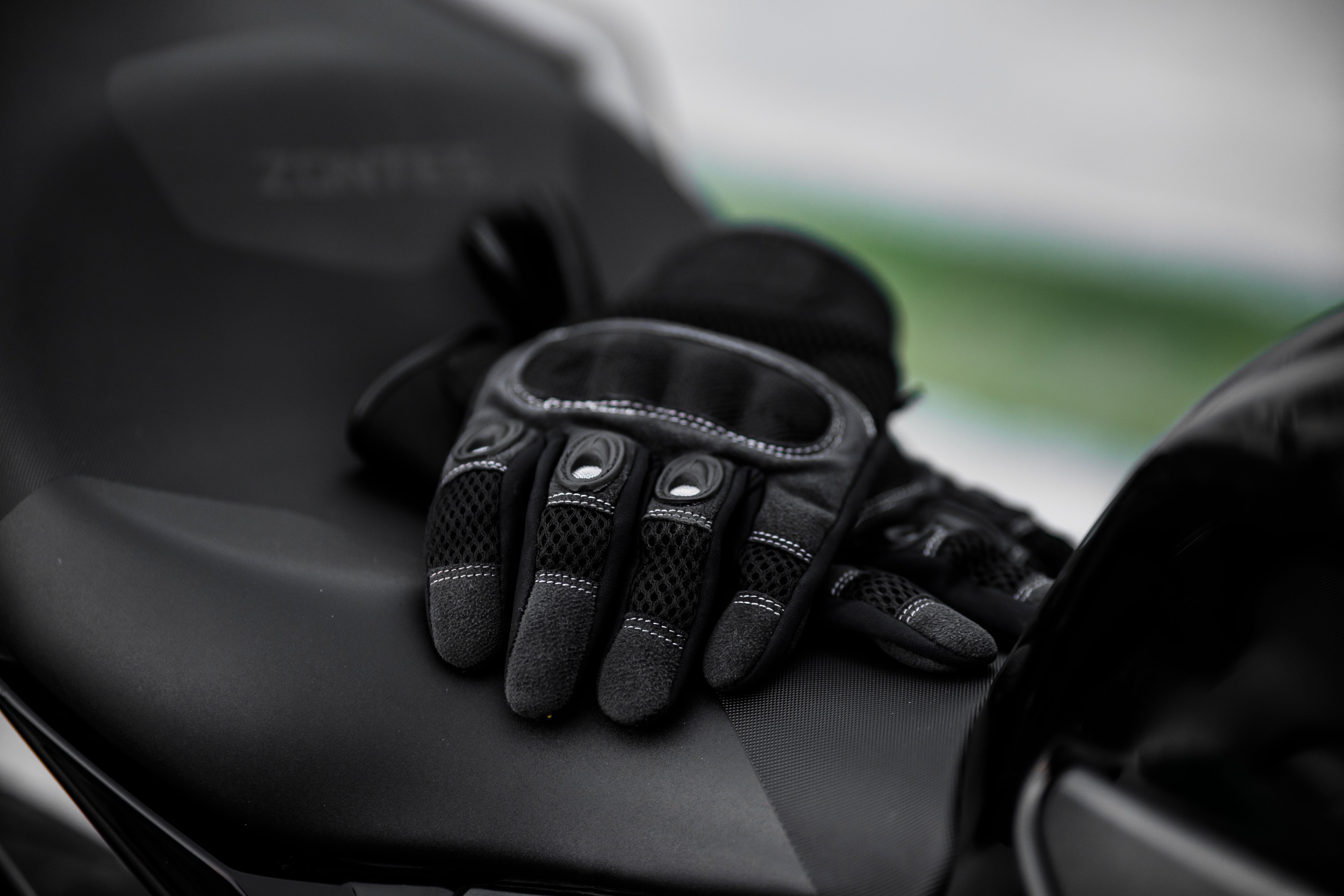
Then the gloves. On a short ride an inside seam is invisible; on a 400-mile day it is a hot spot you think about constantly. Look for outseam construction, a separate keystone thumb, and two pairs – one perforated for afternoon heat, one solid for cold mornings and rain.
Layers will do more than a heavier jacket
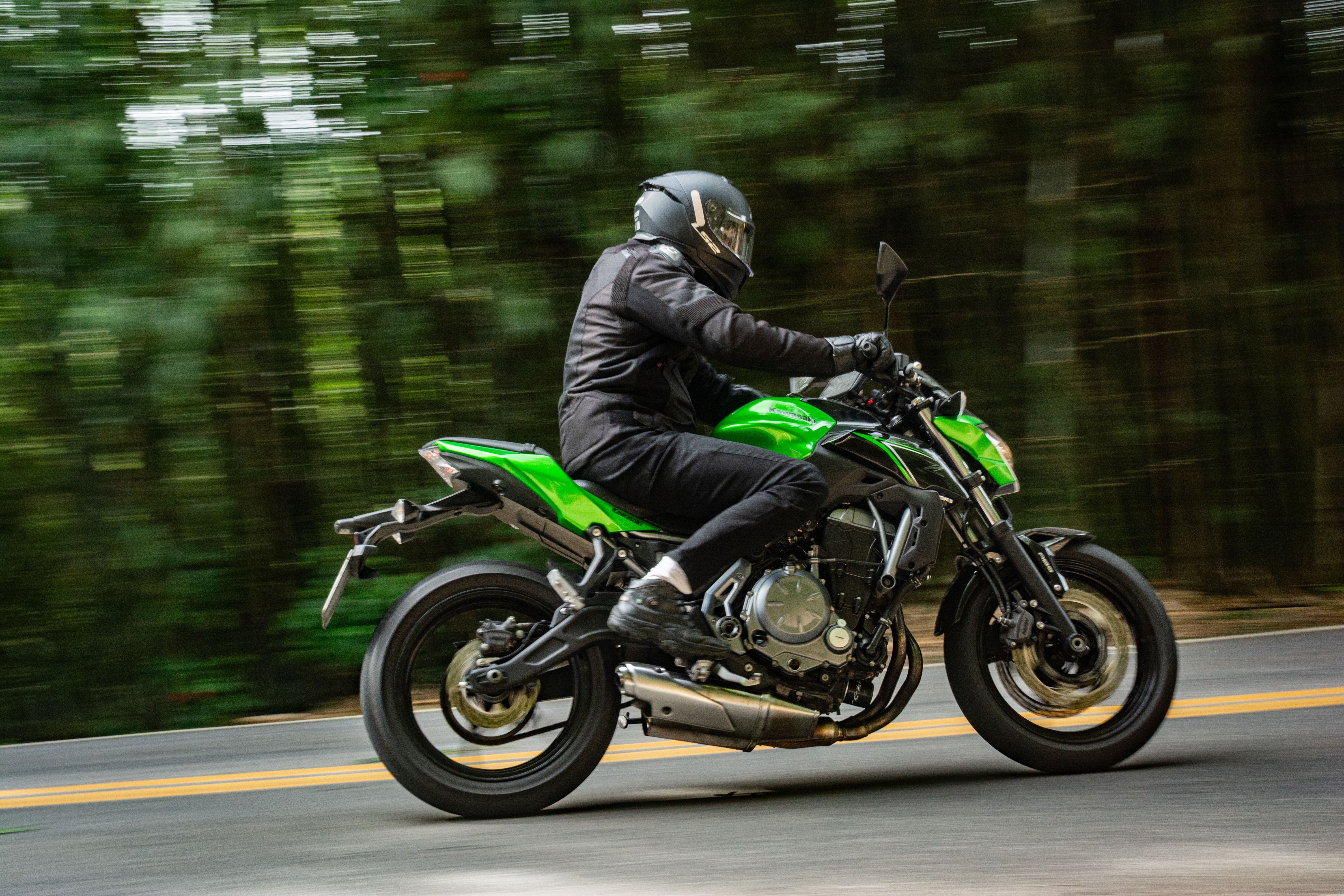
The most common clothing mistake is buying one heroic jacket and calling it a system. Touring days swing 30 degrees between a cold start and a hot afternoon, so build a moisture-wicking base layer, a packable mid layer, and a wind- and water-blocking outer shell you can add or shed at a fuel stop. Armor matters too. Impact protectors are rated under EN 1621 (Level 1 or 2), while the garment as a whole is certified under EN 17092 as A, AA or AAA. For highway touring, Level 2 protection at shoulders, elbows, hips and knees is worth the small weight penalty.
Luggage is where comfort quietly goes wrong
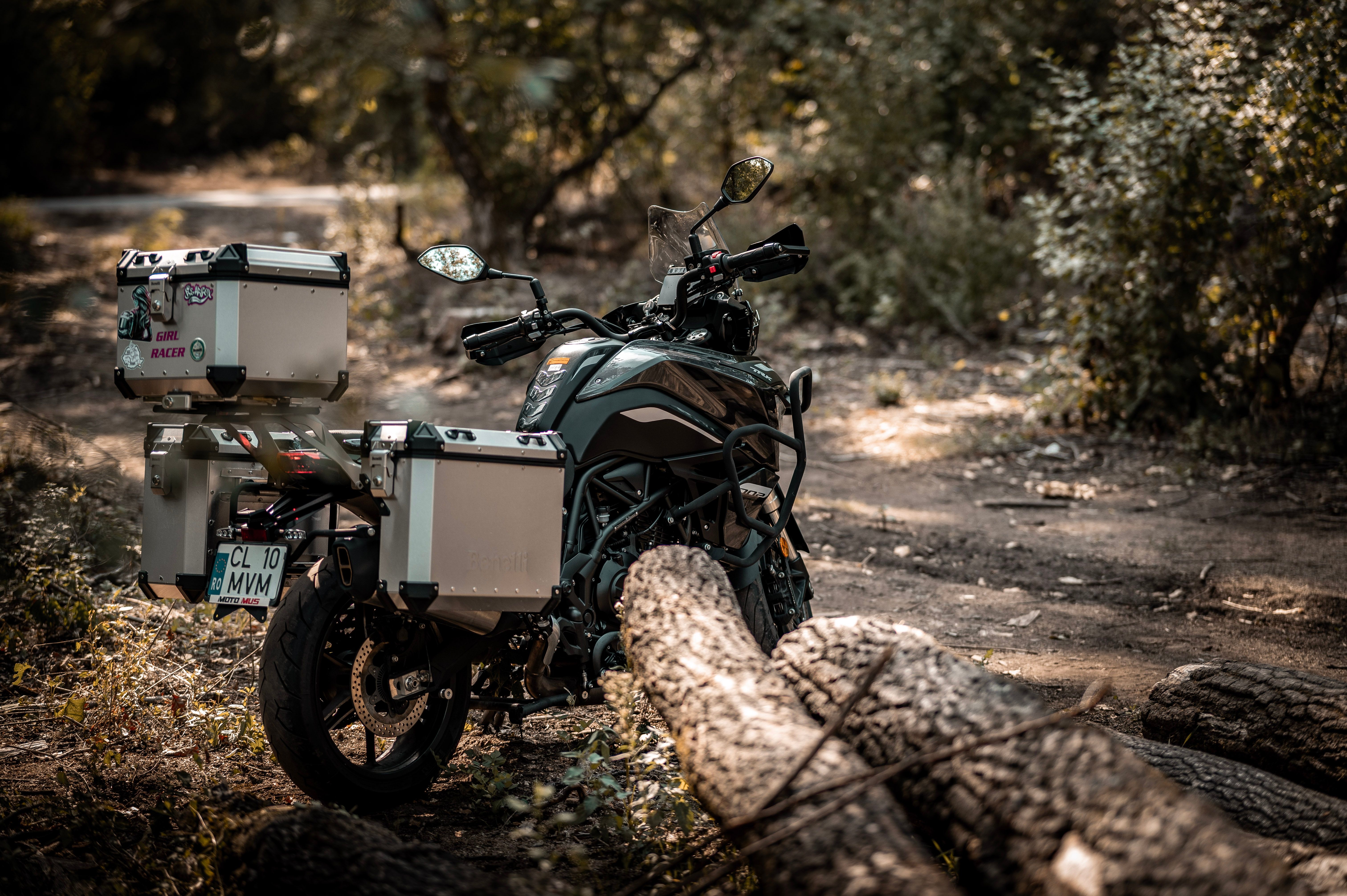
Nobody lists luggage under comfort, but how you load a bike changes how it steers, and steering effort is fatigue. Keep heavy items low and close to the centreline, balance each side, and treat loaded luggage as a fraction of the machine: a widely used rule of thumb holds total luggage to about 20% of the bike’s wet weight, with no more than 10 kg per pannier. A tail bag carrying only light, bulky items – rain gear, a sleeping bag, a spare layer – keeps the rear from dominating the handling.
The rest schedule is gear too
You cannot buy your way out of fatigue, but you can schedule around it. The common guideline is a break every 90 to 120 minutes, and it is not arbitrary: performance has been shown to decline after as little as 40 minutes on a repetitive simulated driving task. Standing up, stretching your shoulders and wrists, and drinking water matters more than the next 50 miles. Treat daily mileage as a target to miss comfortably, not a badge.
Touring gear questions, answered quickly
Do I need a windscreen for touring?
For sustained days above 400–500 km, yes – the neck and shoulder relief alone justifies it. For weekend rides it stays a nice-to-have.
How much luggage is safe?
Aim for no more than roughly 20% of the bike’s wet weight, 10 kg per pannier, loaded low and centred.
Are earplugs really necessary?
At highway speed for hours, yes. Foam plugs cut about 15 dB and prevent the temporary hearing shift measured after an hour at 80 mph.
What armour should I buy?
CE Level 2 impact protectors inside a garment certified to EN 17092 (AA or AAA) is the sensible touring baseline.
What is the single best comfort upgrade?
Wind management: a correctly sized screen plus a well-fitting helmet and earplugs.
How this article was put together
I built this guide from published rider-fatigue and motorcycle-noise research rather than manufacturer copy: peer-reviewed studies of helmet noise and hearing loss, a 2006 review of rider fatigue, and a 2026 study of long-distance riders. Seat pricing comes from rider sources checked in 2025, and the luggage-weight figure is a widely repeated rule of thumb rather than a regulation. Prices drift, so expect the numbers to look different next year.