Renting in Singapore has always required a bit more homework than in many other global cities, but 2026 brings a fresh layer of complexity.
According to recent market tracking by local property portals, average residential rents stabilized after two volatile years, yet neighborhood gaps widened rather than narrowed. That raises a real question for anyone planning a move or renewal: are you paying for location, convenience, or simply momentum?
This guide walks through renting in Singapore in 2026 with a practical lens, covering average rent by area, lease terms you will actually encounter, and the hidden fees that tend to surface only after you think you have budgeted properly.
The rental opportunities in Singapore in 2026
Source: gov.sg
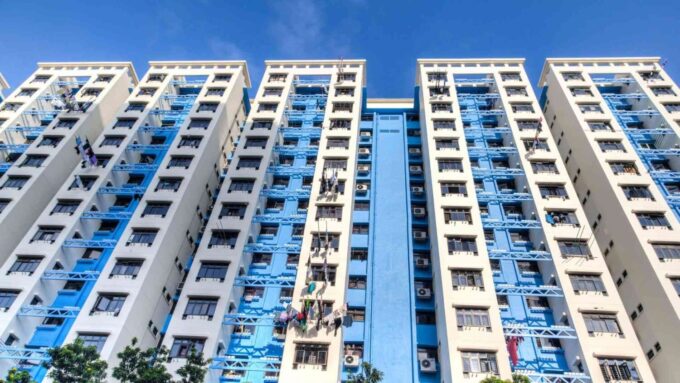
Singapore’s rental market in 2026 is shaped by tight land supply, shifting expatriate demand, and a growing preference for well connected fringe districts. Rents are no longer rising at the breakneck pace seen earlier in the decade, but they remain high by regional standards. Tenants now negotiate more carefully, especially on lease length and furnishings, while landlords focus on stable, low risk occupants.
Several structural factors influence pricing and availability this year:
- A steady inflow of foreign professionals tied to finance, tech, and logistics.
- Gradual completion of new private residential developments, mostly outside the core.
- Increased scrutiny on short term rentals, reinforcing long term lease norms.
For renters, this means choice exists, but clarity matters. Understanding how areas differ and what a lease truly includes is the difference between a smooth tenancy and months of frustration.
Average rent by area and what you are really paying for
Source: expatica.com
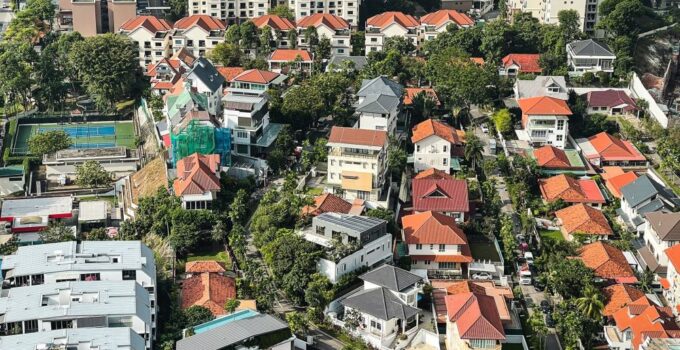
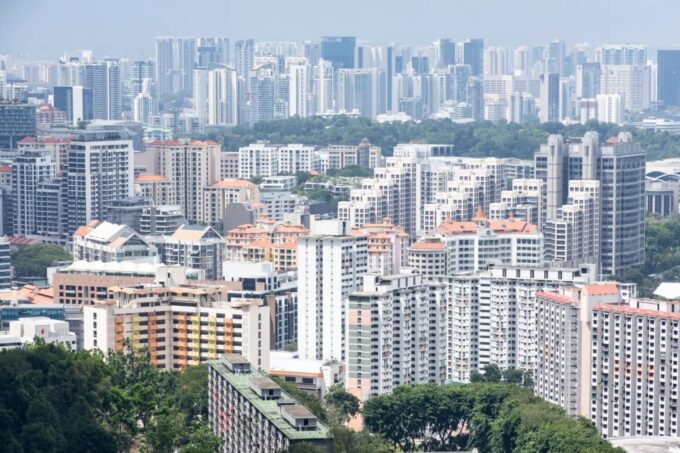
Location remains the strongest driver of rent in Singapore, but in 2026 the value equation has shifted. Central districts still command premium pricing, yet some waterfront and city fringe areas now offer comparable convenience at slightly lower monthly costs. Average rents vary not just by postcode, but by proximity to transit, schools, and daily services.
Here is a simplified snapshot of typical monthly rents for a standard two bedroom private apartment:
| Area category | Typical monthly rent (SGD) |
| Core Central Region | 5,800 to 7,200 |
| City Fringe | 4,600 to 5,500 |
| Outside Central Region | 3,500 to 4,500 |
What these figures hide is lifestyle value. A well planned waterfront development with transit access can rival central living. Tenants exploring bayside neighborhoods often compare rental units near integrated developments like Vela Bay, where the appeal lies in walkability, transit links, and amenities that reduce daily transport costs even if the headline rent looks similar to central options.
Central versus fringe districts: lifestyle trade offs explained
Source: expat.metroresidences.com
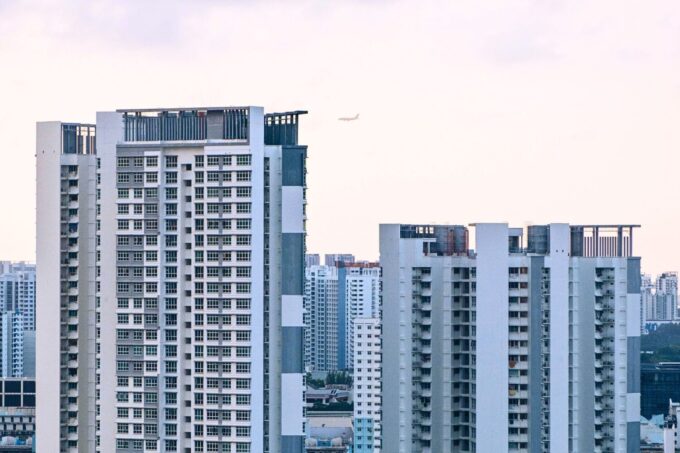
Choosing between central Singapore and fringe districts is no longer a simple cost decision. In 2026, lifestyle efficiency matters as much as proximity to the CBD. Central areas offer unmatched access to offices and entertainment, but congestion and older building stock can dilute daily comfort.
Fringe districts present a different balance. Many newer developments sit near MRT lines and offer better layouts, shared facilities, and quieter surroundings. The trade offs typically look like this:
- Central living emphasizes immediacy and prestige.
- Fringe living prioritizes space, newer facilities, and calmer neighborhoods.
- Commute times often differ by less than 10 minutes if transit is well planned.
For renters working hybrid schedules, fringe areas increasingly feel like the smarter compromise. The key is not distance, but connectivity and how often you truly need to be downtown.
Common lease terms and conditions renters should expect
Lease structures in Singapore remain fairly standardized, but small details matter. In 2026, most private residential leases still run for 12 or 24 months, with limited flexibility unless negotiated upfront. Diplomatic clauses remain common for expatriates, while renewal terms are becoming more explicit.
Typical lease elements include:
- Security deposit equal to one month per year of lease.
- Diplomatic clause after 12 months for eligible tenants.
- Inventory list for furnished units, attached to the contract.
What surprises many first time renters is how rigid contracts can be once signed. Verbal assurances rarely hold weight. Always confirm renewal options, rent review clauses, and repair responsibilities in writing before committing.
Did you know?
In Singapore, verbal agreements related to tenancy have little legal standing unless reflected in the written lease. Courts rely heavily on the signed contract, not email summaries or agent conversations.
Furnished, partially furnished, or unfurnished rentals
Source: batamnewsasia.com
The furnishing level of a rental can significantly affect both cost and convenience. In 2026, landlords increasingly offer partially furnished units to appeal to long term tenants who want flexibility without starting from scratch.
Each option has practical implications:
- Fully furnished units cost more but reduce upfront setup expenses.
- Partially furnished units usually include appliances and wardrobes.
- Unfurnished units offer the lowest rent but highest initial outlay.
Tenants planning to stay beyond two years often find partially furnished units the best balance. You avoid paying a premium for dated furniture while still skipping major appliance purchases. Clarify exactly what is included, as definitions vary widely between landlords.
Hidden fees and costs renters often overlook

Source: mkdrealestate.sg
The advertised rent is rarely the full story. In Singapore, hidden or secondary costs can add several hundred dollars per month if not anticipated. In 2026, these costs are more transparent than before, but they still catch newcomers off guard.
Common overlooked expenses include:
- Stamp duty payable upfront on lease signing.
- Minor repair costs not covered by the landlord.
- Air conditioning servicing, often mandatory quarterly.
- Utility deposits required by service providers.
These costs are usually spelled out somewhere in the lease, but not highlighted. Budgeting realistically means setting aside a buffer beyond rent. A good rule is to add 8 to 12 percent to the monthly rent to cover non negotiable extras.
Working with agents and understanding commissions
Property agents remain central to the Singapore rental process, even in 2026. While online listings have improved, most landlords still prefer professional representation. Understanding who pays the agent and how much can prevent awkward surprises.
Current norms include:
- Tenant pays one month commission for leases under two years.
- No commission for two year leases in many cases.
- Separate agent representation for landlord and tenant is common.
Always confirm commission obligations before viewing properties. Some agents waive fees for specific developments or longer leases, but assumptions lead to disputes. Transparency early on keeps negotiations clean and professional.
Budgeting realistically for long term renting
Source: expat.metroresidences.com
Long term renting in Singapore works best when approached as a system, not a single monthly payment. In 2026, stable rents allow better planning, but only if all components are considered together.
A realistic rental budget accounts for:
- Monthly rent and utilities combined.
- Annual maintenance and servicing costs.
- Renewal related costs such as minor upgrades or rent adjustments.
Renters who plan two years ahead tend to negotiate better renewal terms and avoid forced moves. Stability often matters more to landlords than squeezing out the last dollar, especially with reliable tenants.
Practical tips for negotiating rent in 2026
Negotiation is still possible in Singapore’s rental market, but it requires data and timing rather than aggressive tactics. In 2026, landlords are more receptive to steady, low risk tenants than marginal rent increases.
Effective negotiation strategies include:
- Comparing recent signed rents, not just listings.
- Offering longer lease terms in exchange for stable pricing.
- Being flexible on move in dates.
Approach negotiations as a collaboration, not a confrontation. Demonstrating preparedness and reliability often yields better results than pushing purely on price.
Closing thoughts on renting smart in Singapore
Renting in Singapore in 2026 rewards preparation, clarity, and realistic expectations. The market has matured, but it still favors those who understand the fine print and the true cost of convenience. Whether you choose a central apartment or a well connected fringe development, the goal remains the same: align rent, lifestyle, and long term plans without stretching beyond comfort.
By understanding area pricing, lease structures, and hidden costs upfront, renters can avoid common pitfalls and focus on building a stable daily routine in one of the world’s most dynamic cities.