In theory, many automation recommendations for retailers seem promising. However, they often fail to work in practice within the stockroom. Impressive demonstrations, polished presentation materials, and assurances of revolutionizing the customer journey. Then reality hits.
The system doesn’t talk to existing hardware. Staff can’t figure it out. And the whole thing sits unused within six months. But some automation ideas actually deliver.
The difference usually comes down to solving a real, specific pain point instead of chasing trends.
Automated Inventory Tracking
Source: extensiv.com
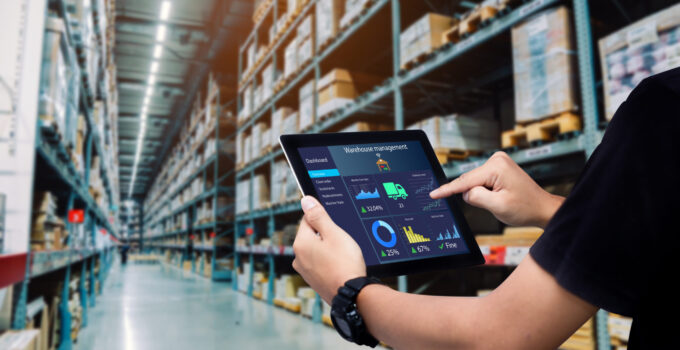
Inventory problems cost retailers more than almost anything else. Overstocking ties up cash. Under-stocking loses sales. And manual counts eat up hours that floor staff could spend helping customers.
Sensors and connected devices that track stock levels in real time have changed this completely for stores willing to adopt them. A shelf sensor triggers a restock alert when product inventory drops to a predetermined level, removing the necessity for manual inventory verification.
Certain setups involve data being input directly into ordering systems to automate replenishment.
The stores getting this right aren’t necessarily large chains. Plenty of mid-size and independent retailers have found that even a handful of sensors in high-turnover areas makes a noticeable difference within weeks.
Why Small Automations Outperform Big Systems
Large automation systems often promise complete transformation. In practice, smaller targeted solutions tend to deliver better results. Retail environments are complex, and each store has its own layout, staffing patterns, and customer behavior. Trying to replace everything at once introduces friction.
Smaller automations work because they fit into existing workflows instead of replacing them. A simple restock alert does not require retraining the entire team. Staff understand it immediately and act on it without hesitation. That reduces resistance and speeds up adoption.
There is also a financial advantage. Smaller tools are easier to test. A retailer can install a limited number of sensors, measure the outcome, and expand gradually. That approach reduces risk and builds internal confidence. Once teams see real results, they become more open to additional automation.
Another important factor is maintenance. Large systems often require ongoing technical support. Smaller solutions tend to run independently once configured. That makes them more practical for stores without dedicated IT staff.
Environmental Monitoring That Protects Product
Temperature and humidity matter more than most store owners think. Grocery, pharmacy, floral, and wine. These categories lose product when conditions drift even slightly outside the right range. Automated environmental monitoring catches those drifts early.
A cooler that’s slowly failing at two in the morning gets flagged before the morning crew arrives to find spoiled inventory. That kind of saving pays for the sensor setup fast.
And it’s not just about preventing loss. Compliance documentation for health and safety inspections gets a lot simpler when temperature logs generate automatically instead of relying on someone to check and write numbers on a clipboard three times a day.
Energy Efficiency Through Automation
Source: azumuta.com
Energy costs are often treated as fixed expenses, but automation shows that they are more flexible than expected. Smart systems can monitor usage patterns and adjust equipment performance in real time.
Refrigeration units, lighting, and HVAC systems do not need to run at full capacity at all times.
When sensors detect low activity periods, systems can reduce energy consumption without affecting store operations. During peak hours, they automatically adjust to maintain performance. This balance leads to consistent savings over time.
Retailers that implement these systems often notice benefits beyond cost reduction. Equipment lifespan improves because machines operate under more stable conditions. Maintenance becomes more predictable, and unexpected failures decrease.
A simple example illustrates the impact. Automated lighting that dims in low traffic zones during quiet hours reduces electricity usage immediately. The change is subtle, but over months it contributes to meaningful cost savings.
Foot Traffic and Space Optimization
Understanding foot traffic and customer flow within a store allows for more effective space utilization. Integrating zone-level tracking and automated foot traffic counters allows for the distinction between high-activity customer zones and those that are being neglected.
That data drives actual decisions. Moving a display six feet to the left sounds minor, but if traffic data shows that spot gets three times the foot traffic, the impact on sales can be significant.
Staffing decisions improve, too. Schedule more people during actual peak hours instead of guessing based on gut feeling.
Staff Productivity and Task Automation
Automation is often discussed in terms of replacing work. In retail, it usually improves how work gets done instead. Staff spend less time on repetitive checks and more time assisting customers.
Several small automations contribute to this shift:
- Real time task alerts ensure employees respond quickly to stock issues instead of discovering them later during routine checks.
- Automated checklists replace paper routines and help maintain consistency across shifts.
- Smart notifications reduce the need for supervisors to manually coordinate tasks.
The result is not fewer employees. The result is better use of their time. Staff remain engaged with customers instead of being pulled into backroom tasks.
This also improves morale. Employees prefer clear direction and fewer repetitive duties. Automation provides both without adding complexity.
Where Smart Retail Stops Being a Buzzword

Source: n2o.co.uk
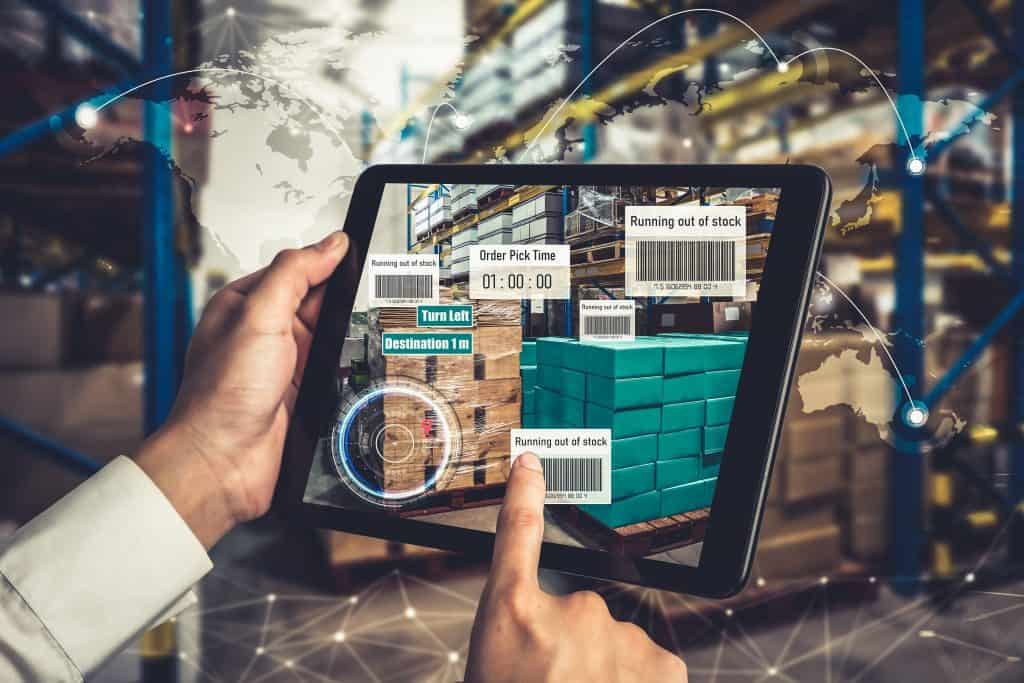
The concept of smart retail is often overused, and in many instances, it simply implies the implementation of expensive and attention-grabbing technology. The version that actually works is quieter.
Connected sensors collecting useful data. Automated alerts that prevent problems. Seamlessly integrated systems that operate without the necessity of a dedicated IT team’s supervision.
Businesses such as Blues IoT have demonstrated remarkable flexibility by enabling retailers to link devices via cellular networks, bypassing the typical complexities associated with extensive sensor implementations.
This adaptability is particularly crucial for businesses with many branches, as the network capabilities can differ significantly at each location.
Integration Without Complexity
Integration is one of the main reasons automation projects fail. Systems that require extensive configuration or depend on multiple vendors often create delays and confusion. Retailers need solutions that connect easily to existing tools.
Modern automation platforms focus on compatibility. They work with standard retail systems such as point of sale software, inventory platforms, and basic reporting tools. That reduces setup time and avoids disruptions during implementation.
Another important aspect is scalability. A system should work in a single store and expand across multiple locations without major changes. Cloud based platforms make this possible by centralizing data and allowing remote management.
Retailers benefit when integration becomes simple. Teams spend less time troubleshooting and more time using the data generated by the system. That shift makes automation practical instead of theoretical.
Conclusion
The retailers getting the most from automation didn’t overhaul everything at once. They focused on a single problem. Their focus was on issues such as spoilage, stock-outs, and energy costs.
They then automated a solution for that specific issue. The project’s justification was easier to establish once the financial projections were validated.
That pattern works better than any grand digital strategy. Fix something specific. Measure the result. Then decide what’s next. There’s no need to sell automation when it performs as intended.
The numbers speak for themselves.